

-
 Handstand Push-Up | Muscles Worked, Benefits & Progression Handstand Push-Up Complete Guide: Muscles Worked, Benefits...
 -
 DEEP SQUAD EXERCISE....deep squad exercise Smith machine squats are a variation of traditional squats performed using a Smith ma...
 -
 A decline push-up is a variation of the traditional push-up that targets the upper chest and shoulders more intensely. Here's how it ...
Monday, December 9, 2024
Friday, December 6, 2024
decline pushup muscles worked

A decline push-up is a variation of the traditional push-up that targets the upper chest and shoulders more intensely. Here's how it works:
----
In a decline push-up, your feet are elevated on a surface like a bench, chair, or step, while your hands stay on the ground. This puts your body at an angle , with your upper body lower than your legs, making the movement more challenging.cause directly impact on your shoulder and upper chest muscles
Why is it different?------
The elevation shifts more of your body weight toward your arms and shoulders. It also emphasizes the upper part of the chest (clavicular head of the pectoralis major) compared to regular push-ups, which focus more on the middle chest.(normal pushup)
How to do it:
Find a stable surface: Choose something like a bench, step, or chair that's sturdy and won't move.
Position yourself: Place your hands shoulder-width apart on the floor. Put your feet on the elevated surface, keeping your body in a straight line from head to heels.
Lower yourself: Slowly bend your elbows, lowering your chest toward the floor while keeping your core tight.
Push back up: Extend your arms to return to the starting position.
Key points:
Keep your body straight; avoid letting your hips sag or sticking your butt up.
Lower yourself until your chest is just above the ground, or as far as you're comfortable.
Breathe in as you lower and out as you push up.
It's a great way to add variety to your workout and build more strength in your chest, shoulders, and triceps!
Pull up
Pull-ups are an excellent upper-body strength exercise that primarily targets the latissimus dorsi (lats) while also engaging the biceps, shoulders, and core muscles.
Thursday, December 5, 2024
Wrist Extensor Stretch

Monday, December 2, 2024
wrist flexors

The Wrist Flexor Stretch is a simple and effective exercise to improve flexibility and reduce tension in the wrist and forearm muscles, particularly the wrist flexors. Seated or Standing Position: Sit or stand upright in a comfortable position with your back straight. Extend Your Arm: Extend one arm straight in front of you with your palm facing up. Bend the Wrist: With the other hand, gently pull your fingers downward toward the floor, bending the wrist backward. Feel the Stretch: You should feel a stretch in the underside of your forearm (the wrist flexors). Hold the Stretch: Hold the position for 15–30 seconds, ensuring you do not overextend or feel pain. Switch Arms: Repeat the stretch on the opposite arm. Tips: Keep your elbow straight to maximize the stretch. Avoid applying too much pressure; the stretch should feel comfortable, not painful. Perform this stretch 2–3 times for each arm.
Sunday, December 1, 2024
Wrist Rotation Exercise: Benefits, Muscles Worked
Wrist Rotation Exercise: Benefits, Muscles Worked and How to Perform
What is the Wrist Rotation Exercise?
The wrist is one of the most important parts to train. The wrist rotation exercise is a simple yet highly beneficial exercise that involves rotating your wrist in a circular motion. It is primarily performed to improve wrist mobility, flexibility, strength, and joint health.
This exercise is especially useful for people who spend long hours using computers, mobile phones, keyboards, or mice. Regular wrist rotation keeps the wrist joints active and helps reduce stiffness.
How to Perform the Wrist Rotation Exercise?

Step-by-Step Method:
- Sit or stand upright with a comfortable posture.
- Extend both arms straight in front of your body.
- Keep your palms facing downward or upward.
- Slowly rotate both wrists in a circular motion.
- Perform 10–15 rotations clockwise.
- Repeat 10–15 rotations in the opposite direction.
- Perform the movement slowly and with control.
Make sure only your wrists are moving. Avoid excessive movement of your arms and elbows.
Understand With an Example
Imagine you work in an office and spend 8–10 hours daily typing on a computer. Continuous keyboard and mouse usage can cause wrist stiffness, discomfort, or tiredness.
You can perform wrist rotations for 1–2 minutes every few hours:
- Sit comfortably on your chair.
- Extend your arms forward.
- Rotate wrists 15 times clockwise.
- Rotate wrists 15 times anti-clockwise.
This helps relax wrist muscles and improves blood circulation.
Muscles Worked During Wrist Rotation Exercise
1. Forearm Muscles
Wrist rotation exercises effectively engage and strengthen the forearm muscles, including the flexor and extensor muscles responsible for wrist and finger movements. Regular practice improves muscle endurance, grip strength, and stability of the wrist joint. Strong forearms support better performance in activities like weightlifting, typing, sports, and daily tasks requiring hand control.
Forearm muscles work during wrist rotation and help control hand grip and movement.
2. Wrist Flexors
Wrist rotation exercises help increase the flexibility and range of motion of the wrist joint. Regular practice reduces stiffness and allows smoother movement during daily activities like typing, lifting, and exercising. It improves joint function, keeps wrist muscles active, and helps maintain better control and coordination of hand movements.
These muscles help in bending the wrist and supporting wrist movement.
3. Wrist Extensors
These muscles help lift the wrist backward and provide stability.
4. Hand Muscles
Small muscles of the hand also activate during wrist rotation movements.
Benefits of Wrist Rotation Exercise
1. Improves Wrist Mobility
Regular wrist rotation improves joint flexibility and overall wrist movement.
2. Reduces Wrist Stiffness
Wrist rotation exercises help reduce wrist stiffness. Prolonged use of computers, mobile phones, keyboards, or mice can cause strain in the wrist muscles and joints, leading to a sensation of heaviness and reduced flexibility. Rotating the wrists gently moves the joints and activates the surrounding muscles. This improves joint lubrication and facilitates easier wrist movement. Regular practice of this exercise increases wrist flexibility, making daily tasks—such as typing, writing, and lifting—more comfortable.
It helps reduce stiffness caused by long hours of computer work or repetitive hand movements.
3. Improves Grip Strength
Wrist rotation exercises help improve grip strength. During this exercise, the muscles of the wrist and forearm are engaged, playing a crucial role in strengthening the hand's grip. Strong forearm muscles enable you to hold objects with greater firmness and stability.
For instance, it can make activities at the gym—such as holding dumbbells, performing barbell exercises, deadlifts, or barbell curls—easier. Additionally, improved grip strength is beneficial in sports like tennis, badminton, and climbing. Regular wrist rotation enhances wrist stability and prevents the hands from tiring quickly. This exercise is particularly useful for individuals with a weak grip or those who use their hands extensively for prolonged periods.
Strengthening forearm muscles can improve grip during:
- Weight training
- Holding dumbbells
- Sports activities
4. Improves Blood Circulation
Performing wrist rotation exercises improves blood circulation in the wrists and hands. Continuous rotation of the wrist activates the muscles of the wrist and forearm, thereby increasing blood flow to the area. Enhanced circulation delivers more oxygen and nutrients to the muscles, providing them with energy and reducing fatigue.
For instance, a person working at a computer for extended periods might experience stiffness or heaviness in their hands and wrists due to reduced blood flow. In such cases, performing wrist rotations for a few minutes helps relax the muscles and restore normal blood circulation.
Additionally, this exercise is beneficial for individuals involved in gym workouts or sports, as improved blood circulation facilitates a quicker muscle warm-up and can enhance exercise performance.
Wrist movement increases blood flow and supplies muscles with oxygen and nutrients.
5. Helps Prevent Injuries
Regular wrist exercises may help reduce the risk of wrist problems during gym workouts and repetitive activities.
Wrist Rotation for Gym-Goers
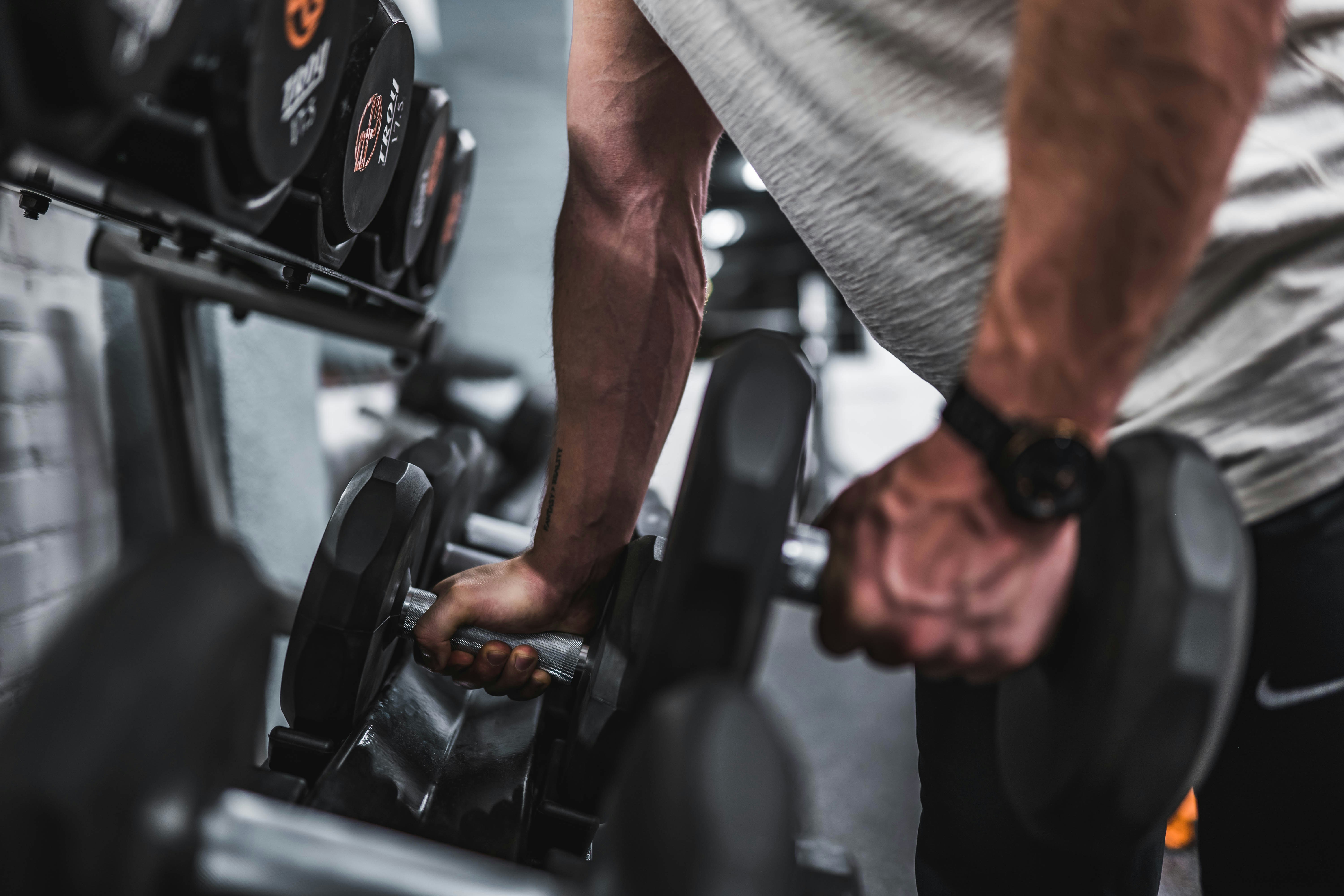
Strong wrists are important for weight training. Exercises like barbell curls, deadlifts, and dumbbell presses require good wrist stability and grip strength.
- Warms up wrist joints before exercise.
- Improves wrist movement.
- Supports better workout performance.
How Often Should You Do Wrist Rotation?
Beginners can perform:
- 10–15 clockwise rotations
- 10–15 anti-clockwise rotations
You can perform this exercise 1–2 times daily. People working on computers can also do a short 1-minute session every few hours.
Conclusion
The wrist rotation exercise is a simple, equipment-free exercise that improves wrist flexibility, mobility, and strength. It is useful for office workers, gamers, gym enthusiasts, and athletes. Regular practice keeps wrists healthy and improves hand performance in daily activities.
how to strengthen wrists

Subscribe to:
Posts (Atom)