


Muscles Worked in the Sumo Deadlift
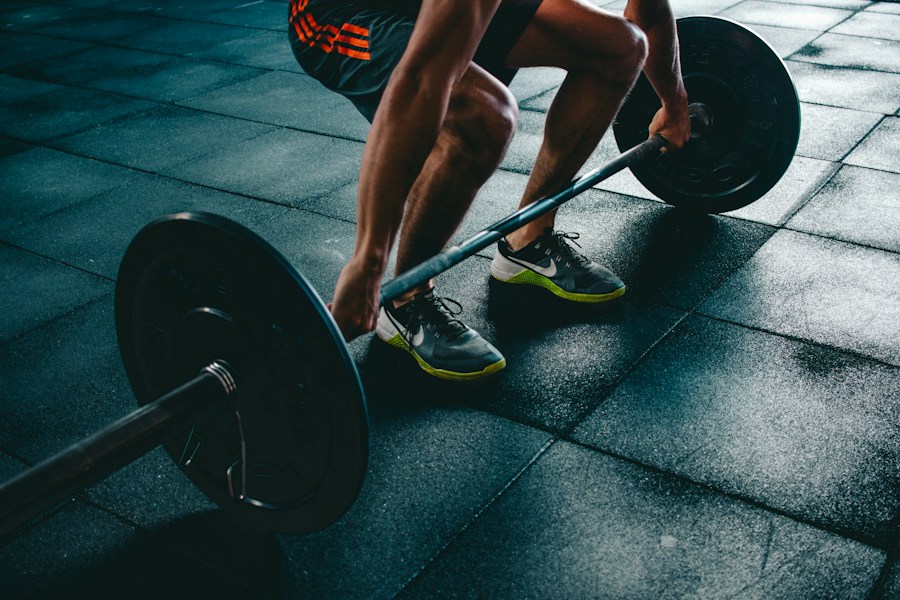
The sumo deadlift is one of the best compound strength exercises for developing total-body power and muscle mass. Unlike the conventional deadliftSee Also, the sumo deadlift uses a much wider stance with the feet turned outward and the hands placed inside the knees. This body position allows you to keep a more upright torso, reducing stress on the lower back while placing greater emphasis on the glutes, quadriceps, and inner thigh muscles.
Whether your goal is building strength, improving athletic performance, increasing muscle size, or enhancing lower-body power, the sumo deadlift deserves a place in your workout routinegym exercise chart. Since multiple joints move simultaneously, it trains several muscle groups at the same time, making it one of the most effective exercises in any strength program.
Primary Muscles Worked
1. Glutes (Gluteus Maximus, Medius & Minimus)
The glute muscles are the primary force generators during the sumo deadlift. Because of the wide stance, the hips remain externally rotated, allowing the glutes to produce more power throughout the lift. As the bar moves upward and you reach the lockout position, the glutes contract forcefully to extend the hips completely.
Strong glutes improve jumping ability, sprinting performance, squat strength, and overall athletic movement while helping maintain healthy hip function.
2. Quadriceps (Front Thigh Muscles)
The quadriceps play a much larger role in the sumo deadlift than in the conventional deadlift See Also. Since your knees bend more at the starting position, the quadriceps must generate enough force to extend the knees and lift the bar from the floor.
The muscles involved include the Rectus Femoris, Vastus Lateralis, Vastus Medialis, and Vastus Intermedius.
3. Hamstrings
Although the hamstrings muscleare slightly less active than in the conventional deadlift, they remain an important part of the movement. The biceps femoris, semitendinosus, and semimembranosus assist the glutes in extending the hips while also helping stabilize the knees throughout the lift.
Secondary Muscles Worked
4. Adductors (Inner Thigh Muscles)
The wide stance places significant tension on the adductor muscles. These muscles stabilize the legs and generate force from the floor while preventing the knees from collapsing inward. Because of this, many lifters notice excellent inner-thigh See Also development from regular sumo deadlift training.
5. Erector Spinae (Lower Back)
The erector spinae muscles run along the spine and keep the back straight throughout the movement. Since the torso remains more upright than during a conventional deadlift, the lower back experiences less stress while still working hard to maintain spinal stability.
Stabilizing Muscles
6. Core Muscles
The abdominal muscles, obliques, and transverse abdominis create intra-abdominal pressure that protects the spine during heavy lifting. A strong core improves balance, posture, and lifting efficiency while reducing the risk of injury.
7. Traps, Rhomboids & Rear Delts
Your upper back works throughout the lift to keep the shoulders pulled back and the chest lifted. The trapezius, rhomboids, and rear deltoids stabilize the shoulder blades and help maintain proper posture from start to finish.
8. Forearms & Grip Strength
Holding a heavy barbell requires strong forearm muscles and grip endurance. Every repetition challenges your grip, making the sumo deadlift an excellent exercise for improving hand strength without requiring separate grip training.
Benefits of the Sumo Deadlift
The Sumo Deadlift is one of the best compound exercises for building overall strength and improving fitness. Because of its wide stance, it places more focus on the legs and hips while reducing stress on the lower back compared to the conventional deadlift. This makes it a great option for beginners as well as experienced lifters.
One of the biggest benefits of the sumo deadlift is that it strengthens the glutes, quadriceps muscle, hamstrings, and inner thigh muscles, helping you develop powerful legs and better lower-body stability. It also works the back, core, and grip strength, making your entire body stronger for everyday activities like lifting heavy boxes, carrying groceries, or moving furniture..
Another advantage is its upright body position, which can feel more comfortable for people with limited hip mobility or those who experience discomfort during conventional deadlifts. Regular practice can also improve balance, posture, and overall athletic performance by teaching your body to generate power from the ground..
- Builds stronger glutes and quadriceps.
- Places less stress on the lower back than conventional deadlifts.
- Improves hip mobility and flexibility.
- Strengthens the core and spinal stabilizers.
- Enhances grip strength.
- Increases athletic power and overall body strength.
- Helps improve performance in squats and other lower-body exercises.
Conclusion
The sumo deadlift is a highly effective full-body compound exercise that targets the glutes, quadriceps, hamstrings, adductors, lower back, core, traps, and forearms. Its wider stance shifts more work to the lower body while reducing stress on the lumbar spine, making it an excellent choice for beginners, powerlifters, and fitness enthusiasts alike. When performed with proper technique and progressive overload, the sumo deadlift can significantly improve strength, muscle growth, posture, and athletic performance.
No comments:
Post a Comment
If you have any doubt , please let me know