
-
 Handstand Push-Up | Muscles Worked, Benefits & Progression Handstand Push-Up Complete Guide: Muscles Worked, Benefits...
 -
 DEEP SQUAD EXERCISE....deep squad exercise Smith machine squats are a variation of traditional squats performed using a Smith ma...
 -
 A decline push-up is a variation of the traditional push-up that targets the upper chest and shoulders more intensely. Here's how it ...
Thursday, March 13, 2025
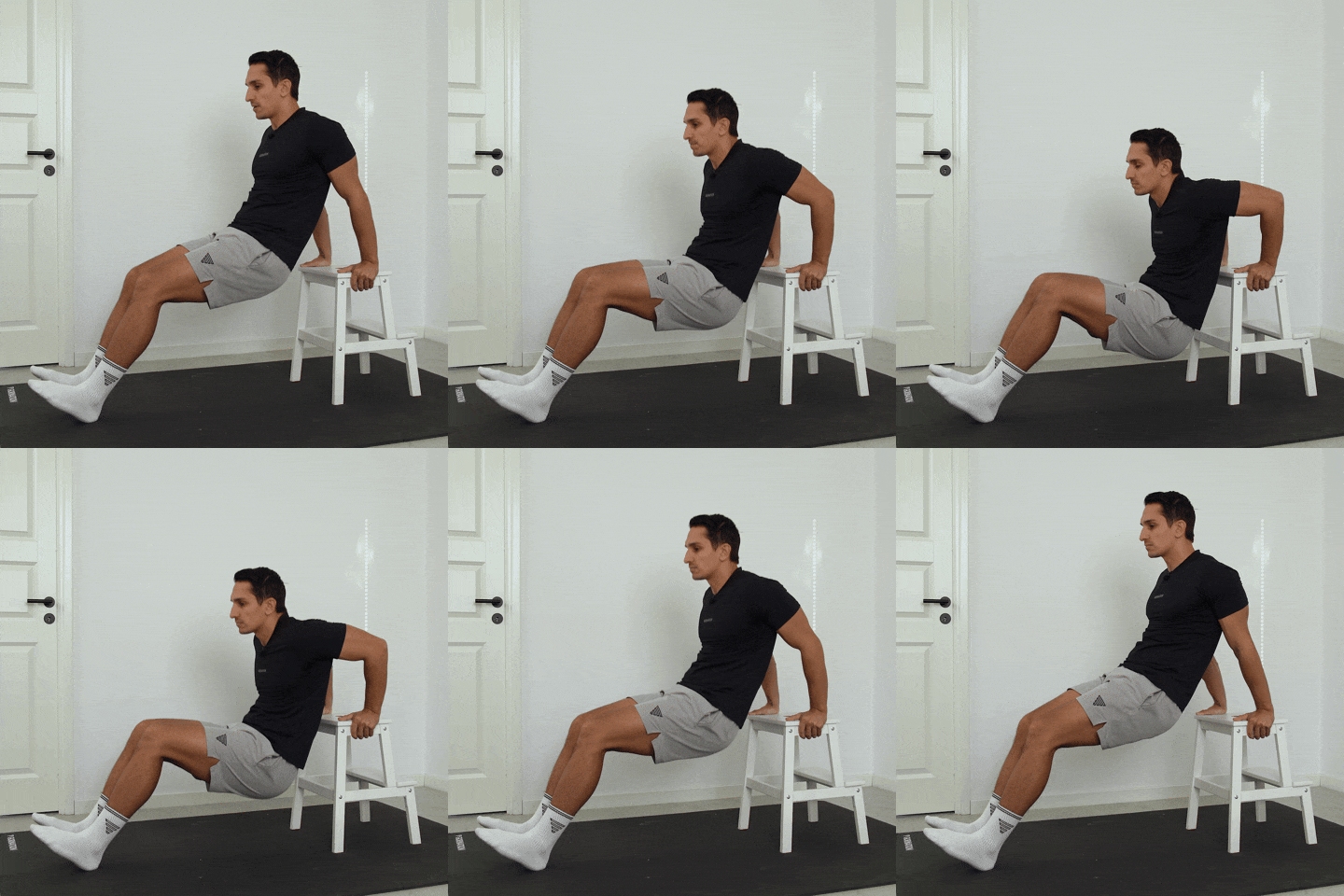
bench dips
Find a Sturdy Surface
Use a bench, chair, or low table that won’t move when you apply pressure.
Sit on the edge of the bench with your hands placed beside your hips, gripping the edge firmly.
Monday, March 10, 2025
straight arm pull down
Straight Arm Pulldown: A Complete Guide
The Straight Arm Pulldown is a strength training exercise that mainly targets the latissimus dorsi (lats)—the large muscles on your back. It is a great exercise for improving upper body strength, posture, and muscle definition. Unlike regular lat pulldowns, where you bend your arms, the straight arm pulldown keeps your arms straight throughout the movement, which isolates the lats more effectively.
 Muscles Worked
The primary muscle worked in this exercise is the latissimus dorsi. However, other muscles assist during the movement:
Muscles Worked
The primary muscle worked in this exercise is the latissimus dorsi. However, other muscles assist during the movement:
Teres major (small muscle near the lats)
Triceps (long head)
Core muscles (to stabilize your body)
Rear deltoids (back of shoulders)
How to Perform a Straight Arm Pulldown
Equipment Needed
A cable machine with a straight bar or rope attachment
An adjustable pulley (set at the highest position)
Step-by-Step Guide
Setup
Stand facing the cable machine with feet about shoulder-width apart.
Grab the bar or rope with a shoulder-width grip, keeping your arms straight but not locked.
Step back slightly to create tension in the cable.
Starting Position
Keep a slight bend in your knees and hinge slightly forward at the hips.
Engage your core to maintain stability.
Pulling Movement
Keeping your arms straight, pull the bar/rope down in a smooth motion.
Focus on using your lats to bring the weight down towards your thighs.
Avoid using your arms or shoulders to pull—let your back do the work.
End Position
 The bar should reach your thighs, and your arms should still be straight.
Hold this position for a second, squeezing your lats.
Returning to Start
The bar should reach your thighs, and your arms should still be straight.
Hold this position for a second, squeezing your lats.
Returning to Start
Slowly raise the bar back to the starting position under control.
Do not let the weight pull you up too quickly.
Common Mistakes to Avoid
Bending Your Arms
This turns the movement into a triceps exercise instead of a lat-focused movement.
Using Too Much Weight
If the weight is too heavy, you might engage your shoulders or arms more than your lats.
Leaning Too Much Forward
A slight forward lean is fine, but excessive leaning reduces effectiveness.
Not Controlling the Movement
Avoid jerky motions. Slow and controlled reps give the best results.
Benefits of Straight Arm PulldownImproves Back Strength – Helps in building a strong, wide back.
Enhances Posture – Strengthens muscles that support good posture.
Boosts Mind-Muscle Connection – Teaches you how to engage your lats properly.
Helps with Other Exercises – Improves performance in pull-ups, deadlifts, and rowing exercises.
Reps & Sets Recommendation
For muscle growth (hypertrophy): 3-4 sets of 10-12 reps
For strength: 3-5 sets of 6-8 reps
For endurance: 3 sets of 12-15 reps
Conclusion
The Straight Arm Pulldown is an excellent exercise for anyone looking to build a strong, well-defined back. By keeping your arms straight, you isolate the lats, making it more effective than traditional pulldowns. When done correctly, it improves strength, muscle definition, and posture while enhancing performance in other exercises. Whether you’re a beginner or an advanced lifter, adding this exercise to your routine can greatly benefit your overall back development.


Friday, March 7, 2025
best exercises to lose belly fat male

Swimming – A full-body workout that torches calories. HIIT (High-Intensity Interval Training) – Short bursts of intense exercise followed by rest (e.g., 30s sprint + 30s rest). Strength Training for Belly Fat Deadlifts – Engages your core and burns fat fast. Squats – Works the legs and core, increasing metabolism.
Bench Press – Helps build upper body strength and boost testosterone. Pull-ups – Engages the core and upper body muscles. Planks – Strengthens the core and tightens the midsection. 🏋️ Core-Focused Workouts Hanging Leg Raises – One of the best lower ab workouts. Russian Twists – Targets obliques and core muscles. Bicycle Crunches – Burns belly fat and engages the entire core. Mountain Climbers – A killer move for fat loss and core strength. Ab Rollouts – Strengthens the core and stabilizes muscles.
🥗 Bonus: Diet Tips Eat high-protein foods (chicken, eggs, fish, tofu). Reduce sugar and processed carbs. Drink plenty of water. Get enough sleep (poor sleep leads to belly fat).
Avoid alcohol (beer belly is real!). 👉 Best Routine: Combine HIIT + Strength Training + Core Workouts 4-5 times a week for the best results. Would you like a custom workout plan based on your fitness level? 🚀
Wednesday, March 5, 2025
best fitness tips for beginners
 Fitness Tips
Best Fitness Tips for Beginners
Starting your fitness journey can be both exciting and overwhelming. With so much information available, it’s easy to get confused about where to begin. The key is to start simple, stay consistent, and gradually build your fitness habits. Here are some essential fitness tips to help beginners get started on the right track.
Fitness Tips
Best Fitness Tips for Beginners
Starting your fitness journey can be both exciting and overwhelming. With so much information available, it’s easy to get confused about where to begin. The key is to start simple, stay consistent, and gradually build your fitness habits. Here are some essential fitness tips to help beginners get started on the right track.
1. Set Clear and Realistic Goals
One of the biggest mistakes beginners make is setting unrealistic expectations. If you aim to lose 10 kg in a month or build six-pack abs in six weeks, you might end up disappointed. Instead, set small, achievable goals like working out three times a week or improving your endurance. Having clear, realistic goals will keep you motivated.
2. Start with Basic Exercises
Many beginners jump straight into heavy lifting or intense workouts without understanding the basics. Begin with bodyweight exercises like squats, lunges, push-ups, and planks. These help build a strong foundation before moving on to heavier exercises. If you prefer cardio, start with brisk walking or light jogging before advancing to high-intensity workouts.
3. Warm Up and Cool Down
Never skip warm-up and cool-down sessions. Warming up prepares your body for exercise, improves blood circulation, and reduces the risk of injuries. A good warm-up can include light cardio (like jumping jacks or jogging in place) and dynamic stretching. Cooling down helps your muscles recover and prevents stiffness. Simple stretches and deep breathing work well after a workout.
4. Focus on Proper Form
Executing exercises with the correct form is crucial to prevent injuries and maximize results. When lifting weights or performing bodyweight exercises, ensure your posture is correct. If unsure, consider hiring a trainer or watching tutorials to learn proper techniques.
5. Listen to Your Body
Pushing yourself too hard can lead to injuries. It’s essential to listen to your body and rest when needed. If you feel extreme soreness or pain, take a break or do light activities like walking or yoga instead of intense workouts.
6. Stay Consistent
Consistency is the key to seeing progress. It’s better to exercise for 30 minutes daily than to do a heavy workout once a week. Find a routine that fits your schedule and stick to it. Even small daily efforts add up over time.
7. Hydrate and Eat Well
Your body needs proper fuel to perform well during workouts. Drink enough water throughout the day to stay hydrated. Focus on a balanced diet that includes proteins, healthy fats, and complex carbohydrates. Avoid junk food, sugary drinks, and processed snacks.
8. Get Enough Rest and Sleep
Rest is just as important as exercise. Your muscles need time to recover and grow stronger. Aim for at least 7-9 hours of quality sleep every night. Overtraining without proper rest can lead to fatigue and decrease your performance.
9. Track Your Progress
Keeping track of your workouts, diet, and progress helps you stay motivated. Take pictures, note your weight, strength levels, and endurance improvements. This will help you identify what works best for your body and keep you focused on your goals.
10. Make It Fun and Enjoyable
If you don’t enjoy your workouts, you’re less likely to stick with them. Try different activities like swimming, dancing, cycling, or sports to find what you love. Exercising with a friend or listening to music can also make workouts more enjoyable.
11. Be Patient and Stay Positive
Fitness is a journey, not a quick fix. Results take time, so don’t get discouraged if you don’t see immediate changes. Stay positive, trust the process, and celebrate small achievements along the way.
Final Thoughts
Starting a fitness journey requires dedication, but the rewards are worth it. By following these tips, you can build a strong foundation for a healthier and more active lifestyle. Stay consistent, be patient, and most importantly, enjoy the process!.

Tuesday, March 4, 2025
Sumo deadlift muscle worked
Muscles Worked in the Sumo Deadlift
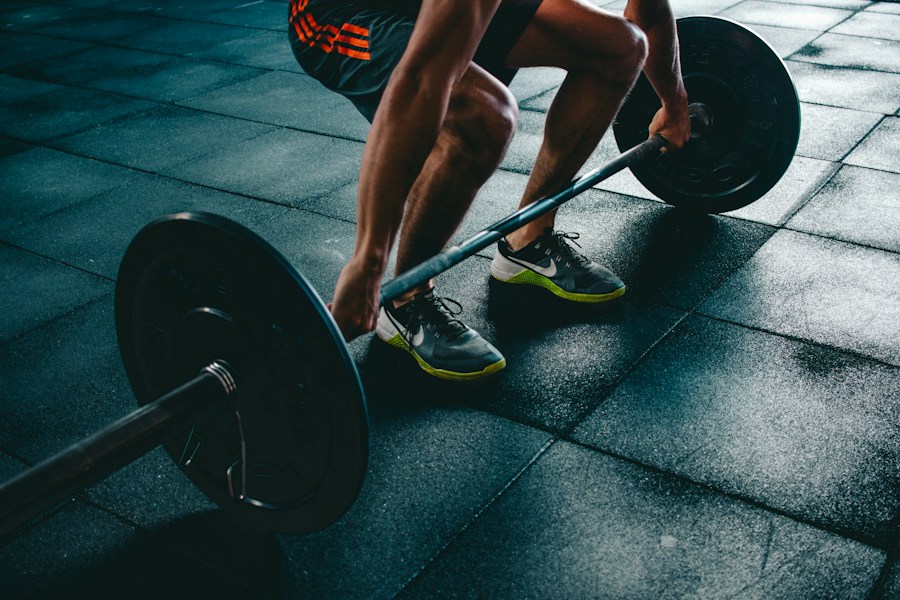
The sumo deadlift is one of the best compound strength exercises for developing total-body power and muscle mass. Unlike the conventional deadliftSee Also, the sumo deadlift uses a much wider stance with the feet turned outward and the hands placed inside the knees. This body position allows you to keep a more upright torso, reducing stress on the lower back while placing greater emphasis on the glutes, quadriceps, and inner thigh muscles.
Whether your goal is building strength, improving athletic performance, increasing muscle size, or enhancing lower-body power, the sumo deadlift deserves a place in your workout routinegym exercise chart. Since multiple joints move simultaneously, it trains several muscle groups at the same time, making it one of the most effective exercises in any strength program.
Primary Muscles Worked
1. Glutes (Gluteus Maximus, Medius & Minimus)
The glute muscles are the primary force generators during the sumo deadlift. Because of the wide stance, the hips remain externally rotated, allowing the glutes to produce more power throughout the lift. As the bar moves upward and you reach the lockout position, the glutes contract forcefully to extend the hips completely.
Strong glutes improve jumping ability, sprinting performance, squat strength, and overall athletic movement while helping maintain healthy hip function.
2. Quadriceps (Front Thigh Muscles)
The quadriceps play a much larger role in the sumo deadlift than in the conventional deadlift See Also. Since your knees bend more at the starting position, the quadriceps must generate enough force to extend the knees and lift the bar from the floor.
The muscles involved include the Rectus Femoris, Vastus Lateralis, Vastus Medialis, and Vastus Intermedius.
3. Hamstrings
Although the hamstrings muscleare slightly less active than in the conventional deadlift, they remain an important part of the movement. The biceps femoris, semitendinosus, and semimembranosus assist the glutes in extending the hips while also helping stabilize the knees throughout the lift.
Secondary Muscles Worked
4. Adductors (Inner Thigh Muscles)
The wide stance places significant tension on the adductor muscles. These muscles stabilize the legs and generate force from the floor while preventing the knees from collapsing inward. Because of this, many lifters notice excellent inner-thigh See Also development from regular sumo deadlift training.
5. Erector Spinae (Lower Back)
The erector spinae muscles run along the spine and keep the back straight throughout the movement. Since the torso remains more upright than during a conventional deadlift, the lower back experiences less stress while still working hard to maintain spinal stability.
Stabilizing Muscles
6. Core Muscles
The abdominal muscles, obliques, and transverse abdominis create intra-abdominal pressure that protects the spine during heavy lifting. A strong core improves balance, posture, and lifting efficiency while reducing the risk of injury.
7. Traps, Rhomboids & Rear Delts
Your upper back works throughout the lift to keep the shoulders pulled back and the chest lifted. The trapezius, rhomboids, and rear deltoids stabilize the shoulder blades and help maintain proper posture from start to finish.
8. Forearms & Grip Strength
Holding a heavy barbell requires strong forearm muscles and grip endurance. Every repetition challenges your grip, making the sumo deadlift an excellent exercise for improving hand strength without requiring separate grip training.
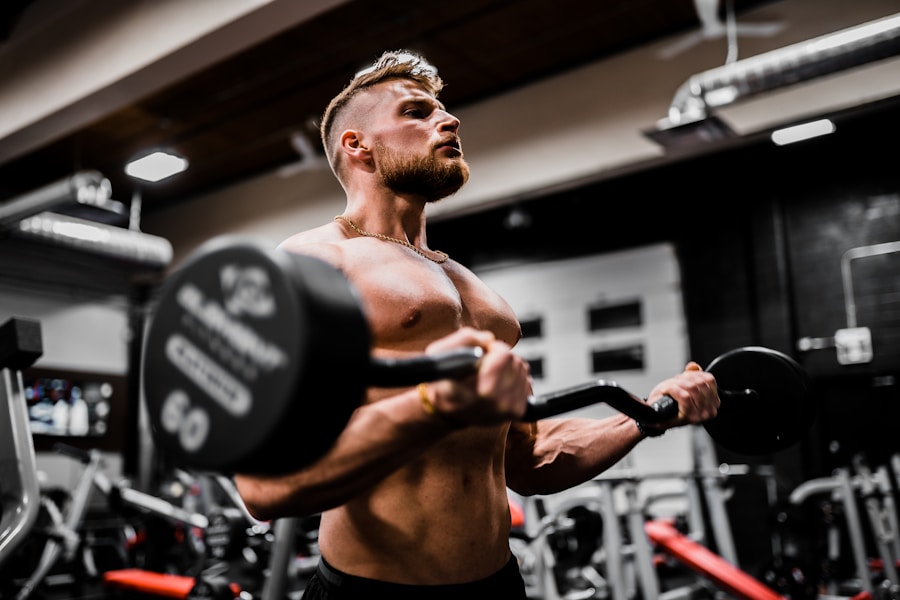
Benefits of the Sumo Deadlift
The Sumo Deadlift is one of the best compound exercises for building overall strength and improving fitness. Because of its wide stance, it places more focus on the legs and hips while reducing stress on the lower back compared to the conventional deadlift. This makes it a great option for beginners as well as experienced lifters.
One of the biggest benefits of the sumo deadlift is that it strengthens the glutes, quadriceps muscle, hamstrings, and inner thigh muscles, helping you develop powerful legs and better lower-body stability. It also works the back, core, and grip strength, making your entire body stronger for everyday activities like lifting heavy boxes, carrying groceries, or moving furniture..
Another advantage is its upright body position, which can feel more comfortable for people with limited hip mobility or those who experience discomfort during conventional deadlifts. Regular practice can also improve balance, posture, and overall athletic performance by teaching your body to generate power from the ground..
- Builds stronger glutes and quadriceps.
- Places less stress on the lower back than conventional deadlifts.
- Improves hip mobility and flexibility.
- Strengthens the core and spinal stabilizers.
- Enhances grip strength.
- Increases athletic power and overall body strength.
- Helps improve performance in squats and other lower-body exercises.
Conclusion
The sumo deadlift is a highly effective full-body compound exercise that targets the glutes, quadriceps, hamstrings, adductors, lower back, core, traps, and forearms. Its wider stance shifts more work to the lower body while reducing stress on the lumbar spine, making it an excellent choice for beginners, powerlifters, and fitness enthusiasts alike. When performed with proper technique and progressive overload, the sumo deadlift can significantly improve strength, muscle growth, posture, and athletic performance.
Sunday, March 2, 2025
Push day exercises
Push Day Exercises:
A push day workout focuses on training the muscles responsible for pushing movements—primarily the chest, shoulders, and triceps. It is a key part of a push-pull-legs (PPL) workout split, which divides workouts into pushing, pulling, and lower body exercises. The push day involves exercises that engage pushing muscles to develop strength, endurance, and muscle definition.
Muscles Worked on Push Day
Chest (Pectorals) – The main muscles involved in pressing movements like the bench press and push-ups.
Shoulders (Deltoids) – Help with overhead pressing movements and overall shoulder development.
Triceps – Assist in pressing motions by extending the elbows.
Best Push Day Exercises
1. Bench Press (Barbell or Dumbbell)
Muscles Worked: Chest, shoulders, triceps
How to Perform:
Lie on a bench with feet planted on the floor.
Grip the barbell or dumbbells slightly wider than shoulder-width.
Lower the weight to your chest while keeping elbows at a 45-degree angle.
Push the weight back up explosively.
Benefits: Builds upper body strength and size.
2. Overhead Shoulder Press (Barbell or Dumbbell)
Muscles Worked: Shoulders, triceps, upper chest
How to Perform:
Hold the barbell or dumbbells at shoulder height.
Press the weight overhead until arms are fully extended.
Lower the weight under control.
Benefits: Develops shoulder strength and stability.
3. Incline Bench Press
Muscles Worked: Upper chest, shoulders, triceps
How to Perform:
Set a bench at a 30-45° incline.
Perform a pressing motion similar to the flat bench press.
Benefits: Emphasizes upper chest development.
4. Dumbbell or Machine Chest Fly
Muscles Worked: Chest (especially the inner and outer regions)
How to Perform:
Lie on a bench with dumbbells in each hand.
Keep a slight bend in the elbows and open arms wide.
Squeeze the chest to bring dumbbells back together.
Benefits: Improves chest muscle isolation and definition.
5. Dips
Muscles Worked: Triceps, chest, shoulders
How to Perform:
Use parallel bars and lower yourself until elbows reach a 90-degree angle.
Push yourself back up to the starting position.
Benefits: Great for triceps and chest strength.
6. Lateral Raises
Muscles Worked: Side delts (shoulders)
How to Perform:
Hold a dumbbell in each hand and raise arms to the sides.
Keep a slight bend in the elbows and avoid swinging.
Benefits: Improves shoulder width and aesthetics.
7. Triceps Pushdowns
Muscles Worked: Triceps
How to Perform:
Use a cable machine with a straight or rope attachment.
Push the handle down while keeping elbows close to the body.
Benefits: Builds triceps definition and strength.
8. Skull Crushers
Muscles Worked: Triceps
How to Perform:
Lie on a bench and lower a barbell or dumbbells to the forehead.
Extend the arms back up.
Benefits: Increases triceps size and strength.
Push Day Tips
Warm-up: Always start with light cardio and mobility exercises.
Progressive Overload: Gradually increase weights over time.
Form Matters: Focus on proper technique to avoid injuries.
Rest: Allow at least 48 hours before training the same muscle group again.
A well-structured push day routine enhances upper body strength and muscle growth, making it a crucial part of a balanced workout plan.
A push day workout focuses on training the muscles responsible for pushing movements—primarily the chest, shoulders, and triceps. It is a key part of a push-pull-legs (PPL) workout split, which divides workouts into pushing, pulling, and lower body exercises. The push day involves exercises that engage pushing muscles to develop strength, endurance, and muscle definition.
Muscles Worked on Push Day
Chest (Pectorals) – The main muscles involved in pressing movements like the bench press and push-ups.
Shoulders (Deltoids) – Help with overhead pressing movements and overall shoulder development.
Triceps – Assist in pressing motions by extending the elbows.
Best Push Day Exercises
1. Bench Press (Barbell or Dumbbell)
Muscles Worked: Chest, shoulders, triceps
How to Perform:
Lie on a bench with feet planted on the floor.
Grip the barbell or dumbbells slightly wider than shoulder-width.
Lower the weight to your chest while keeping elbows at a 45-degree angle.
Push the weight back up explosively.
Benefits: Builds upper body strength and size.
2. Overhead Shoulder Press (Barbell or Dumbbell)
Muscles Worked: Shoulders, triceps, upper chest
How to Perform:
Hold the barbell or dumbbells at shoulder height.
Press the weight overhead until arms are fully extended.
Lower the weight under control.
Benefits: Develops shoulder strength and stability.
3. Incline Bench Press
Muscles Worked: Upper chest, shoulders, triceps
How to Perform:
Set a bench at a 30-45° incline.
Perform a pressing motion similar to the flat bench press.
Benefits: Emphasizes upper chest development.
4. Dumbbell or Machine Chest Fly
Muscles Worked: Chest (especially the inner and outer regions)
How to Perform:
Lie on a bench with dumbbells in each hand.
Keep a slight bend in the elbows and open arms wide.
Squeeze the chest to bring dumbbells back together.
Benefits: Improves chest muscle isolation and definition.
5. Dips
Muscles Worked: Triceps, chest, shoulders
How to Perform:
Use parallel bars and lower yourself until elbows reach a 90-degree angle.
Push yourself back up to the starting position.
Benefits: Great for triceps and chest strength.
6. Lateral Raises
Muscles Worked: Side delts (shoulders)
How to Perform:
Hold a dumbbell in each hand and raise arms to the sides.
Keep a slight bend in the elbows and avoid swinging.
Benefits: Improves shoulder width and aesthetics.
7. Triceps Pushdowns
Muscles Worked: Triceps
How to Perform:
Use a cable machine with a straight or rope attachment.
Push the handle down while keeping elbows close to the body.
Benefits: Builds triceps definition and strength.
8. Skull Crushers
Muscles Worked: Triceps
How to Perform:
Lie on a bench and lower a barbell or dumbbells to the forehead.
Extend the arms back up.
Benefits: Increases triceps size and strength.
Push Day Tips
Warm-up: Always start with light cardio and mobility exercises.
Progressive Overload: Gradually increase weights over time.
Form Matters: Focus on proper technique to avoid injuries.
Rest: Allow at least 48 hours before training the same muscle group again.
A well-structured push day routine enhances upper body strength and muscle growth, making it a crucial part of a balanced workout plan.
Subscribe to:
Posts (Atom)