


15 Best Upper and lower Back Exercises Gym for Muscle Growth
A strong upper back improves posture, enhances pulling strength, supports shoulder health, and creates a wider, more muscular physique. Add these exercises to your workout routine to target the trapezius, rhomboids, rear deltoids, and upper lats for balanced muscle growth.
1. Lat Pulldown
The lat pulldown is one of the key exercises for the back; it is considered an excellent choice for training the upper back. As the name suggests, this exercise targets the lats (latissimus dorsi) by pulling a bar downwards.

The lat pulldown is one of the most effective upper back exercises for building width and strength. Sit with your thighs secured, grip the bar slightly wider than shoulder-width, and pull it toward your upper chest. Squeeze your shoulder blades together before slowly returning the bar. Focus on controlled movement
The Lat Pulldown primarily targets the Latissimus Dorsi (Lats), but the emphasis on specific areas of the lats can shift depending on the grip and technique used.
Which parts of the lats are activated during a Lat Pulldown?
1. Upper Lats (Outer Lats) – ⭐⭐⭐⭐⭐ Primary
These experience the highest level of activation.
A wide-grip lat pulldown places greater tension on the outer lats.
It helps in building a V-shaped back.
2. Middle Lats – ⭐⭐⭐⭐☆
Good activation is achieved when pulling the bar down to the upper chest.
It improves both the thickness and width of the back.
3. Lower Lats – ⭐⭐⭐☆☆
The lower lats are engaged during a standard lat pulldown, though to a comparatively lesser extent.
Close-grip or neutral-grip lat pulldowns and straight-arm pulldowns target the lower lats more effectively.
Secondary Muscles
The lat pulldown involves not just the lats; the following muscles also assist in the movement:
1 Teres Major
2 Rhomboids
3 Middle & Lower Trapezius
4 Rear Deltoids
5 Biceps Brachii
6 Brachialis
7 Forearms (Grip)
2.Seated Cable Row
The Seated Cable Row is one of the most effective compound exercises for the upper and middle back. It is considered an excellent exercise for increasing back thickness.
The seated cable rowdevelops thickness across the upper and middle back. Sit upright, keep your chest lifted, and pull the handle toward your lower ribs. Avoid leaning backward excessively. Pause briefly while squeezing your shoulder blades, then return the weight under control. This exercise also improves posture and overall pulling strength.
Target Muscles (Primary)
1. Rhomboids
They experience the highest level of activation.
They work to squeeze the shoulder blades backward.
They build thickness and strength in the upper back.
2. Middle Trapezius
Helps bring the shoulder blades together (retraction).
Develops better posture and upper back thickness.
3. Latissimus Dorsi (Middle & Lower Lats)
The lats undergo contraction, especially during medium and close-grip rows.
Improves back width and pulling strength.
4. Rear Deltoids
Targets the rear portion of the shoulders.
Aids in shoulder stability and balanced upper body development.
Secondary Muscles

These muscles also assist in the movement:
1 Lower Trapezius
2 Teres Major
3 Biceps Brachii
4 Brachialis
5 Brachioradialis (Forearms)
6 Erector Spinae (Lower Back Stabilizer)
7 Core Muscles
3. Bent-Over Barbell Row
As the name suggests, the 'bent-over row' involves performing a rowing movement while bent over—using either dumbbells or a barbell—which is why it is called the bent-over row.
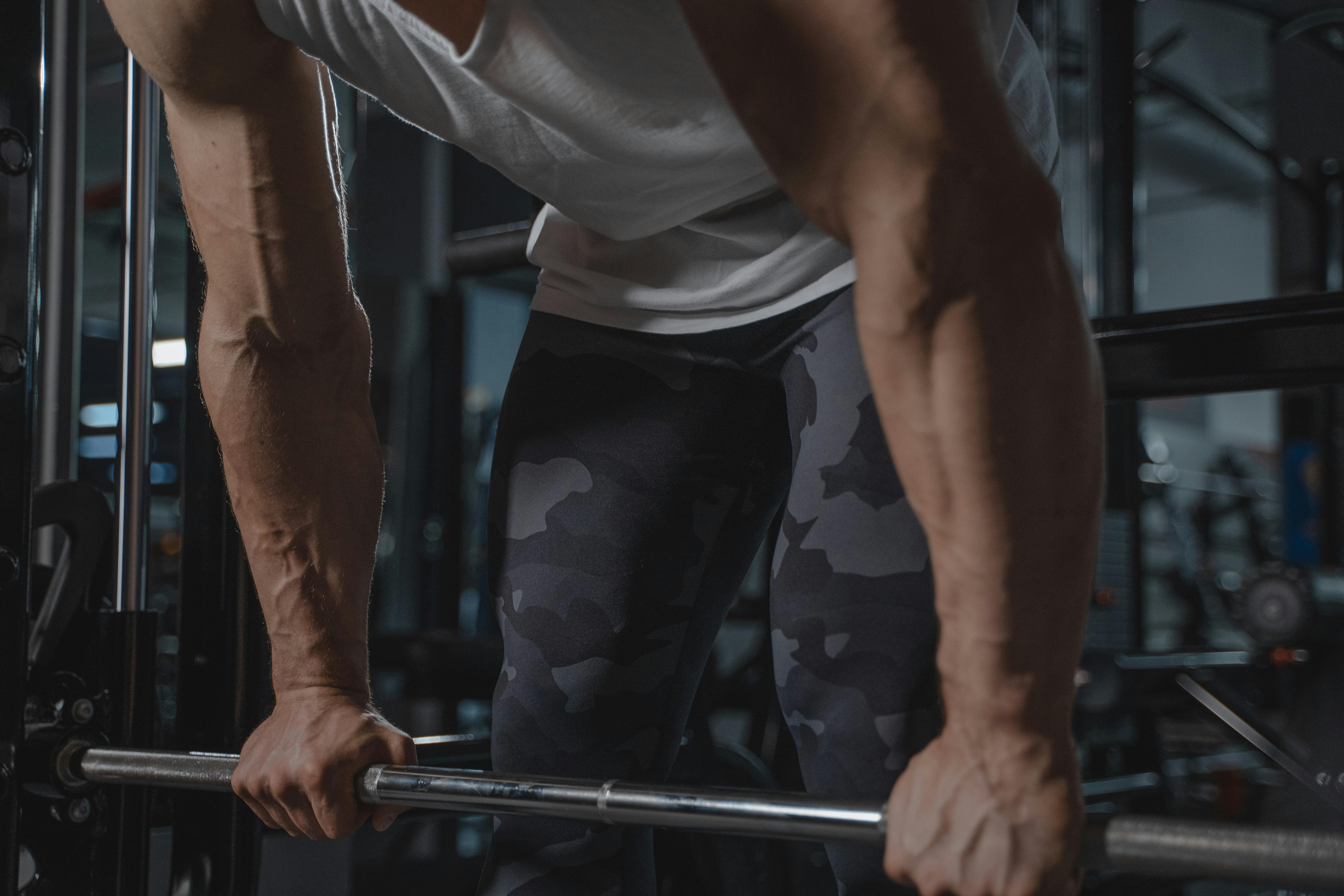
The Bent-Over Barbell Rowis one of the most powerful compound exercises for the upper and middle back. It trains multiple muscles in a single movement and helps increase back thickness, strength, and overall size.
Primary Target Muscles
1. Latissimus Dorsi (Middle & Lower Lats) The lats work to pull the elbows close to the body during the movement. They help make the back wider and thicker.
2. Rhomboids They squeeze the shoulder blades back and together. They improve upper back thickness and posture.
3. Middle Trapezius Retracts the scapula (shoulder blades). Develops a strong and dense upper back.
4. Rear Deltoids Strengthens the rear part of the shoulders. Enhances shoulder stability during pulling movements.
5. Teres Major Works with the lats to pull the arm toward the body. Contributes to back width and pulling strength. in short
Bent-over barbell rows target multiple upper back muscles while increasing overall strength. Bend at the hips with a straight back, hold the barbell with an overhand grip, and pull it toward your lower chest. Lower the weight slowly to maintain muscle tension. Keep your core engaged throughout the movement.
4. Face Pull
In a face pull, we pull a rope or cable towards our face—hence the name—and it is considered an exercise that involves highly controlled movement. achieving optimal muscle activation and effectively targeting the intended muscles depends on maintaining good posture. You should perform this exercise while keeping your body stationary and avoiding any extraneous movement.
The Face Pull is one of the most effective isolation exercises for upper back and shoulder health. This exercise improves posture, stabilizes shoulder joints, and strengthens the upper back muscles along with the rear delts.

Primary Target Muscles
1. Rear Deltoids (Posterior Delts) The rear deltoids are the primary target of the face pull. They make the back of the shoulders strong and well-defined.
They aid in balanced shoulder development.
2. Rhomboids They squeeze the shoulder blades backward. They improve upper back thickness and posture.
3. Middle Trapezius It retracts the shoulder blades. It makes the upper back stable and stronger.
4. Lower Trapezius It keeps the scapula downward and stable. It makes shoulder movement smooth and safe.
Secondary Muscles These muscles assist in the movement: -- Rotator Cuff Muscles (Infraspinatus & Teres Minor)
-- Upper Trapezius
-- Rear Shoulder Stabilizers
-- Biceps
-- Forearms Core Muscles
In short
Face pulls strengthen the rear shoulders, traps, and rhomboids while improving shoulder stability. Attach a rope to a cable machine at face level and pull it toward your face with elbows flared. Squeeze your upper back at the end of each repetition. This exercise is excellent for correcting poor posture.
5. Chest-Supported Row
Chest-Supported Row – Muscles Worked & Exercise Explanation
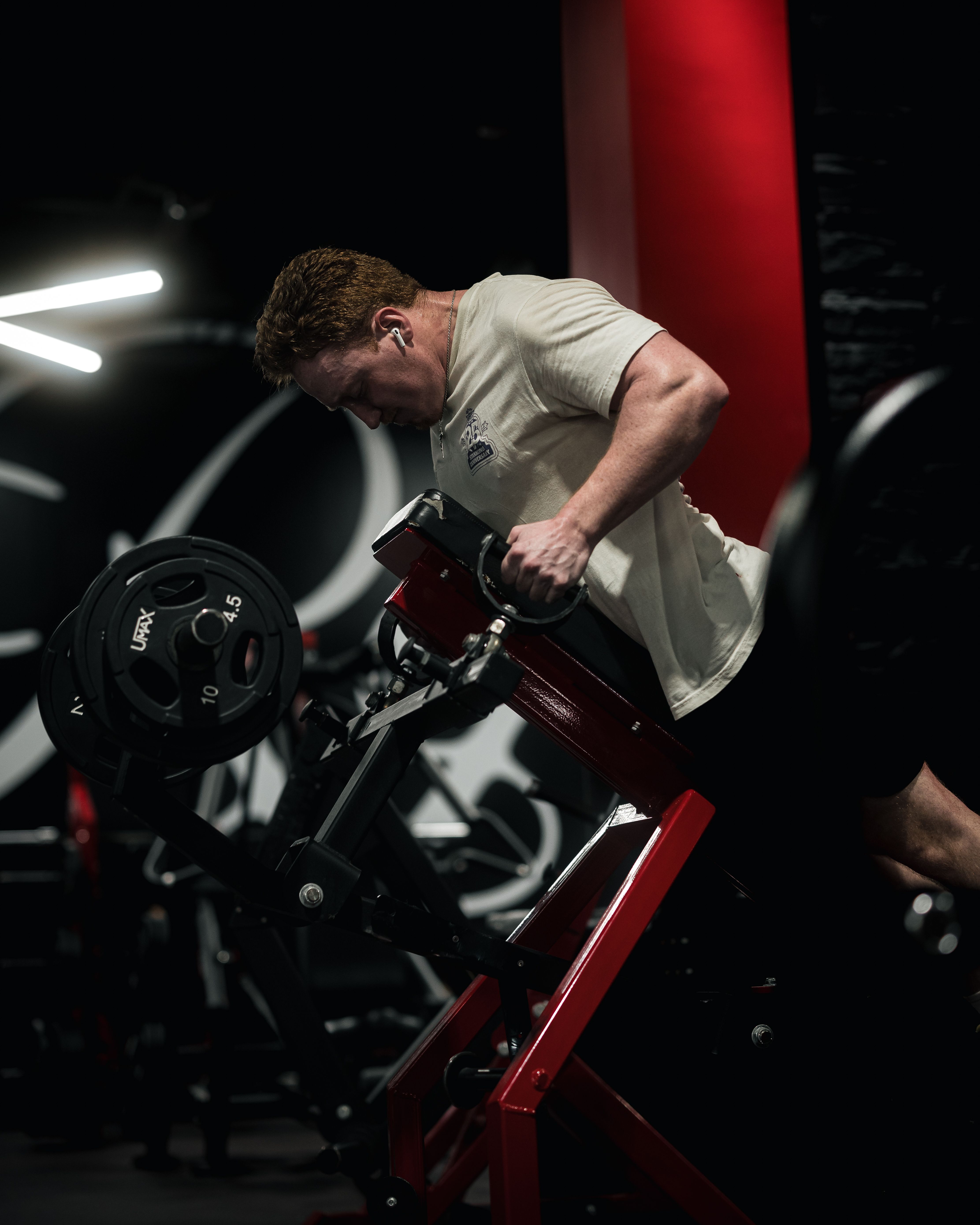
The chest-supported row See Alsois an effective upper-back exercise that minimizes stress on the lower back thanks to the chest support. This movement isolates the upper and middle back muscles, allowing for better muscle activation and the maintenance of controlled form.
Primary Target Muscles
1. Rhomboids
The rhomboids are the primary target of the chest-supported row.
They retract the shoulder blades, increasing upper-back thickness and strength.
2. Middle Trapezius
The middle traps retract the shoulder blades.
This exercise helps build a dense, muscular upper back.
3. Latissimus Dorsi (Middle Lats)
The lats pull the elbows toward the body.
This improves back width and overall pulling strength.
4. Rear Deltoids
The rear delts assist with shoulder extension during the movement.
They contribute to shoulder balance and stability.
5. Teres Major
Working alongside the lats, the teres major pulls the arm toward the body.
It enhances overall upper-back strength.
Secondary Muscles
These muscles support the movement: 1 Lower Trapezius
2 Biceps Brachii
3 Brachialis
4 Brachioradialis (Forearms)
5 Rotator Cuff Muscles
6 Core Muscles (Stabilization)
Note: Since the chest is supported against the bench, lower back (erector spinae) involvement is significantly lower compared to the bent-over row. Send feedback
The chest-supported row minimizes lower back strain while isolating the upper back muscles. Lie face down on an incline bench and row dumbbells or machine handles toward your body. Pause at the top to contract your shoulder blades before lowering slowly. It is ideal for beginners and experienced lifters alike.
6. T-Bar Row
T-Bar Row – Muscles Worked & Exercise Explanation
The T-Bar Row is a powerful compound back exercise that is highly effective for increasing the thickness, strength, and muscle mass of the upper and middle back. Along with the lats, this exercise intensely targets the rhomboids, trapezius, and rear deltoids, giving the back a dense and muscular appearance.
Primary Target Muscles
1. Latissimus Dorsi (Lats)
The lats are the primary target of the T-Bar Row.
They increase back width and pulling strength.
The lats do the bulk of the work in pulling the elbows toward the body.
2. Rhomboids
Rhomboids squeeze the shoulder blades back and together.
They make the upper back thick and strong.
3. Middle Trapezius
The middle traps are responsible for shoulder blade retraction.
They give the upper back a dense and powerful appearance.
4. Rear Deltoids
Rear delts assist in the pulling movement.
They aid in shoulder stability and balanced shoulder development.
5. Teres Major
The teres major works with the lats to strengthen the pulling movement.
It contributes to increasing overall back thickness.
T-Bar Row
Secondary Muscles
These muscles support the movement:
1 Lower Trapezius
2 Erector Spinae (Lower Back)
3 Biceps Brachii
4 Brachialis
5 Brachioradialis (Forearms)
6 Core Muscles
7 Glutes
8 Hamstrings
Muscle activation during the movement
Starting Position
Stand in a hip-hinge position.
Place your chest on the support pad (if using a chest-supported machine) or keep your back neutral.
Keep your arms fully extended.
Pulling Phase
Pull the handle toward your lower chest or upper abdomen while keeping your elbows close to your body.
The lats generate the pulling force.
The rhomboids and middle traps squeeze the shoulder blades together. Complete the movement for the rear delts and biceps.
End Position
Bring the handle close to your body and squeeze for one second.
Fully contract your shoulder blades.
Lower the weight slowly while maintaining tension on the muscles.
The T-bar row is a powerful compound exercise that builds upper back thickness and strength. Keep your chest supported or maintain a strong hip hinge while pulling the handle toward your chest. Avoid jerking the weight. Slow, controlled repetitions maximize muscle activation and reduce the risk of injury.
7. Reverse Pec Deck Fly
Reverse Pec Deck Fly – Muscles Worked & Exercise Explanation
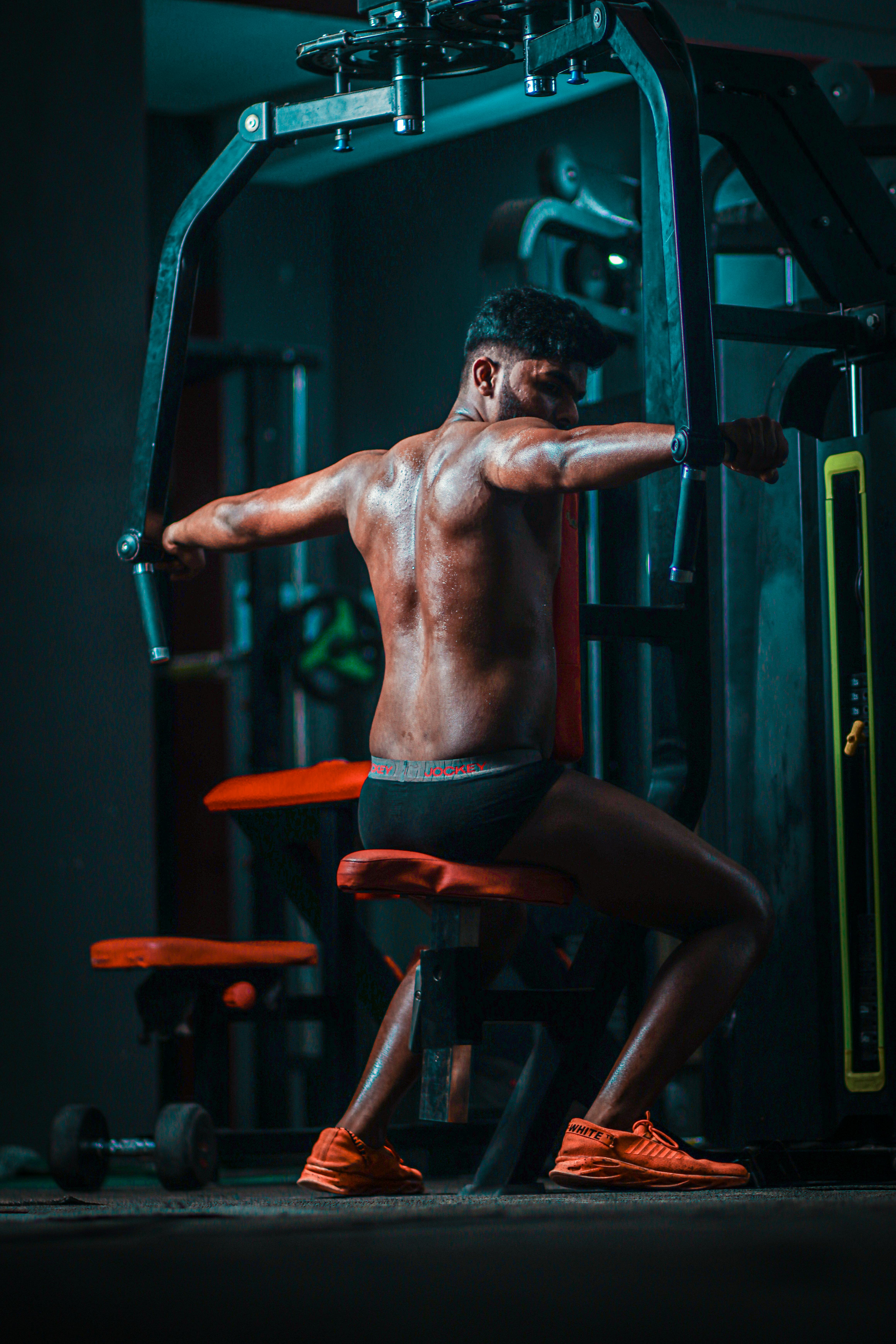
The Reverse Pec Deck Fly See Alsois an excellent isolation exercise that targets the rear deltoids (posterior shoulders) and upper back muscles. This exercise improves shoulder stability, enhances posture, and gives the upper back a balanced, defined, and muscular appearance.
Primary Target Muscles
1. Rear Deltoids (Posterior Delts
The rear deltoids are the primary target of the Reverse Pec Deck Fly.
They strengthen and define the back of the shoulders.
They are crucial for balanced shoulder development.
2. Rhomboids
The rhomboids squeeze the shoulder blades backward and together.
They improve upper back thickness and posture.
3. Middle Trapezius
The middle trapezius assists in the retraction of the shoulder blades.
It adds density and stability to the upper back.
4. Lower Trapezius
The lower traps stabilize the scapula.
They ensure smooth and controlled shoulder movement.
Secondary Muscles These muscles support the movement: 1 Teres Minor
2 Infraspinatus (Rotator Cuff)
3 Teres Major
4 Upper Trapezius
5 Forearms (Grip)
6 Core Muscles (Stabilization)
Note: The lats (Latissimus Dorsi) play a minimal role in the Reverse Pec Deck Fly. The primary focus of this exercise is on the rear delts and upper back muscles.
This machine exercise effectively isolates the rear deltoids and upper back muscles. Sit facing the machine, grab the handles, and move your arms outward in a wide arc. Squeeze your shoulder blades together before returning to the starting position. Use moderate weight for better control and muscle engagement.
8. Single-Arm Dumbbell Row
The single-arm dumbbell row is a highly effective unilateral exercise that trains one side of the body at a time. This exercise provides deep contraction to the lats, rhomboids, and trapezius muscles. Additionally, it helps correct strength imbalances between the left and right sides.
Primary Target Muscles
1. Latissimus Dorsi (Lats)
The lats are the primary target of the single-arm dumbbell row.
They increase back width and pulling strength.
Pulling the elbow towards the hip effectively activates the lower and middle lats.
2. Rhomboids
The rhomboids squeeze the shoulder blades back and together.
They improve upper back thickness and posture.
3. Middle Trapezius
The middle traps retract the scapula.
They give the upper back a dense, muscular appearance.
4. Teres Major
Working alongside the lats, the teres major pulls the arm towards the body.
It contributes to pulling strength and back development.
5. Rear Deltoids
The rear delts assist with shoulder extension during the movement.
The single-arm dumbbell row improves muscle balance by working each side independently. Place one knee and hand on a bench, keep your back flat, and pull the dumbbell toward your hip. Lower it slowly while maintaining control. Concentrate on squeezing your upper back rather than using your arm strength.
9. Pull-Ups
Pull-ups are among the most effective bodyweight compound exercises. This exercise is highly popular for increasing back width, upper body strength, and grip power. While pull-ups primarily target the lats, various muscles in the upper back, shoulders, and arms also work together during the movement.
Pull-Ups
Pull-ups are a challenging bodyweight exercise that builds upper back strength, grip, and endurance. Hang from a pull-up bar with an overhand grip and pull your chest toward the bar. Lower yourself slowly until your arms are fully extended. Beginners can use an assisted pull-up machine or resistance bands.
10. Machine High Row
The Machine High Row is a compound pulling exercise that effectively targets the upper lats, rhomboids, trapezius, and rear deltoids. The pulling angle runs from high to low, placing greater tension on the upper lats and upper back. The machine's fixed path of motion makes it easy for both beginners and advanced lifters to maintain proper form.
Machine High Row
Primary Target Muscles
1. Latissimus Dorsi (Upper & Outer Lats)
The primary targets of the Machine High Row are the upper and outer lats.
They help give the back a wider look and a V-taper appearance.
Pulling the elbows down and towards the body maximizes lat contraction.
2. Rhomboids
The rhomboids squeeze the shoulder blades back and together.
They improve upper back thickness and posture.
The middle trapezius retracts the scapula.
It builds a dense, strong, and muscular upper back.
4. Teres Major
The teres major works alongside the lats to assist in the pulling movement.
It supports back width and strength.
5. Rear Deltoids (Posterior Delts)
The rear delts assist in shoulder extension and the pulling movement.
They improve balanced shoulder development and stability.
The Machine High Row is an excellent compound back exercise that targets the upper lats, upper back, and rear shoulders. Thanks to the machine's fixed movement path, both beginners and advanced lifters can effectively train these muscles while maintaining proper form. This exercise improves both the width and thickness of the back.
The machine high row targets the upper lats, rhomboids, and rear shoulders with excellent stability. Adjust the seat correctly and pull the handles toward your upper chest while keeping your elbows slightly wide. Pause briefly before returning the weight slowly. This movement is easy to learn and highly effective.
11. Wide-Grip Cable Row
Wide-Grip Cable Row – Muscles Worked & Exercise Explanation
The wide-grip cable row is an excellent compound back exercise that improves upper back thickness, posture, and shoulder stability. Due to the wide grip, this exercise places greater emphasis on the rhomboids, middle trapezius, and rear deltoids compared to the standard cable row. It is a highly effective exercise for building a wider and stronger upper back.
Wide-Grip Cable Row
Using a wide attachment shifts more emphasis onto the upper back and rear shoulders. Sit tall, pull the handle toward your upper abdomen, and keep your elbows moving outward. Squeeze your shoulder blades at the end of each repetition before slowly extending your arms. Avoid rounding your back.
12.Dumbell shrug
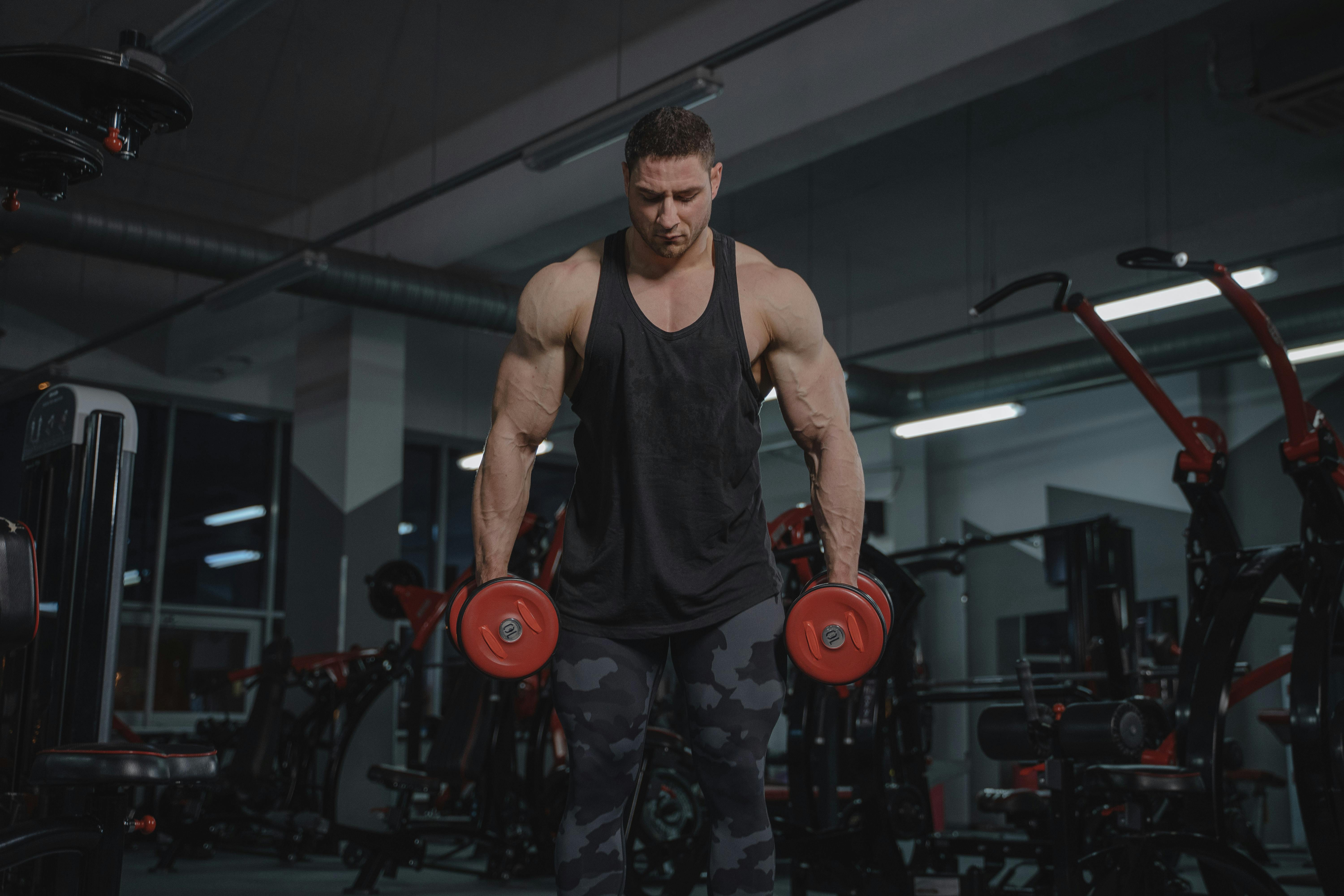
Dumbbell Shrugs – Muscles Worked & Exercise Explanation Dumbbell shrugs are an isolation exercise that primarily targets the upper trapezius (upper traps). This exercise increases neck and upper back strength, improves shoulder stability, and helps build thick, powerful, and well-defined traps.
Dumbbell shrugs isolate the upper trapezius muscles, helping create a stronger and more defined neck and upper back. Hold a dumbbell in each hand, keep your arms straight, and raise your shoulders as high as possible. Pause briefly before lowering the weights under control without rolling your shoulders.
13. Rack Pull
The rack pull is a powerful compound exercise that serves as a partial-range variation of the deadlift. It is primarily used to develop the upper back, traps, lower back, and grip strength. Due to the ability to handle heavy weights, it is highly effective for increasing muscle size and overall pulling strength.
See Also
Rack pulls strengthen the traps, upper back, and grip while allowing heavier loads than conventional deadlifts. Start with the bar positioned just below knee height, maintain a neutral spine, and lift by driving your hips forward. Lower the bar carefully to protect your back and maximize muscle development.
14. Inverted Row
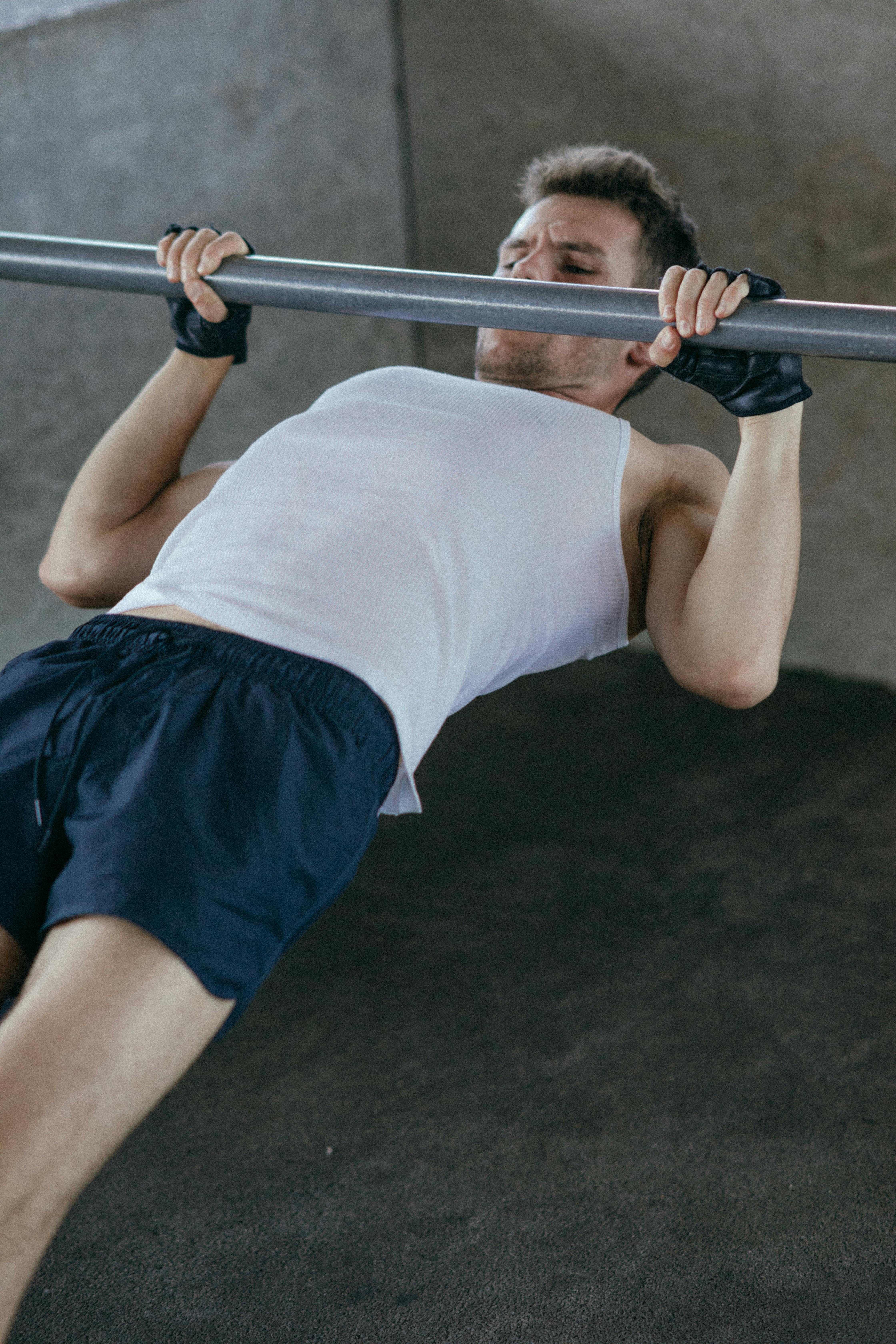
The Inverted Row is a bodyweight pulling exercise that primarily strengthens the upper back, lats, rhomboids, trapezius, rear deltoids, and biceps. To perform this exercise, lie on your back beneath a bar (such as a barbell, Smith machine, or TRX straps), grasp the bar with a shoulder-width grip, and pull your chest toward the bar while keeping your body straight from head to heel. Squeeze your shoulder blades together at the top of the movement, then slowly lower yourself back down. This exercise is considered excellent for improving posture, increasing grip strength, and preparing for pull-ups. Everyone, from beginners to advanced athletes, can incorporate it into their back training routine.
1. Latissimus Dorsi (Lats) The lats perform the primary pulling action during the Inverted Row. They help increase back width and pulling strength. The lats activate to pull the body toward the bar.
2. Rhomboids The rhomboids squeeze the shoulder blades by pulling them backward. They improve upper back thickness and posture.
3. Middle Trapezius The middle traps play a crucial role in scapular retraction. They stabilize and strengthen the upper back.
4. Rear Deltoids (Posterior Delts) The rear delts assist in the shoulder extension movement. They improve balanced shoulder development and stability.
5. Teres Major Working alongside the lats, the teres major pulls the arm toward the body. It enhances back strength and muscle activation.
Secondary Muscles These muscles also play a role in the movement: 1 Biceps Brachii
2 Brachialis
3 Brachioradialis (Forearms)
4 Lower Trapezius
5 Erector Spinae
6 Core Muscles (Abs & Obliques)
7 Glutes (Body Stability)
The inverted row is an excellent bodyweight exercise for improving upper back strength and posture. Hold a fixed bar, keep your body straight, and pull your chest toward the bar. Lower yourself slowly while maintaining full-body tension. It is suitable for beginners and advanced athletes by adjusting body angle.
Inverted Row Exercise Guide
15. Cable Straight-Arm Pulldown
Cable Straight-Arm Pulldown – Muscles Worked & Exercise Explanation
The Cable Straight-ArPulldown is an isolation exercise that primarily targets the Latissimus Dorsi (Lats). It is highly effective for increasing back width, improving the mind-muscle connection, and directly activating the lats. Since there is minimal involvement of the biceps, the focus remains squarely on the lats.
Primary Target Muscles
1. Latissimus Dorsi (Lats) ⭐⭐⭐⭐⭐
The lats are the primary target of the Cable Straight-Arm Pulldown.
They help give the back a wider, V-shaped appearance.
The lats are responsible for pulling the arms downward and backward.
2. Teres Major ⭐⭐⭐⭐☆
The teres major works alongside the lats during the shoulder extension movement.
It supports back width and upper back development.
3. Lower & Middle Trapezius ⭐⭐⭐⭐☆
The trapezius muscles help stabilize the shoulder blades.
They play a role in maintaining proper posture and controlled movement.

Secondary Muscles These muscles support the movement: 1 Rear Deltoids
2 Rhomboids
3 Serratus Anterior
4 Core Muscles
5 Forearms (Grip)
Note: Bicep activation is minimal in this exercise because there is no movement at the elbow joint. This makes it an excellent exercise for isolating the lats.
The straight-arm cable pulldown targets the upper lats while improving shoulder control and mind-muscle connection. Stand facing a cable machine, keep your arms nearly straight, and pull the bar toward your thighs. Return slowly while maintaining tension. This exercise works well as a finishing movement after rows.
No comments:
Post a Comment
If you have any doubt , please let me know