Search the content

Thursday, July 17, 2025

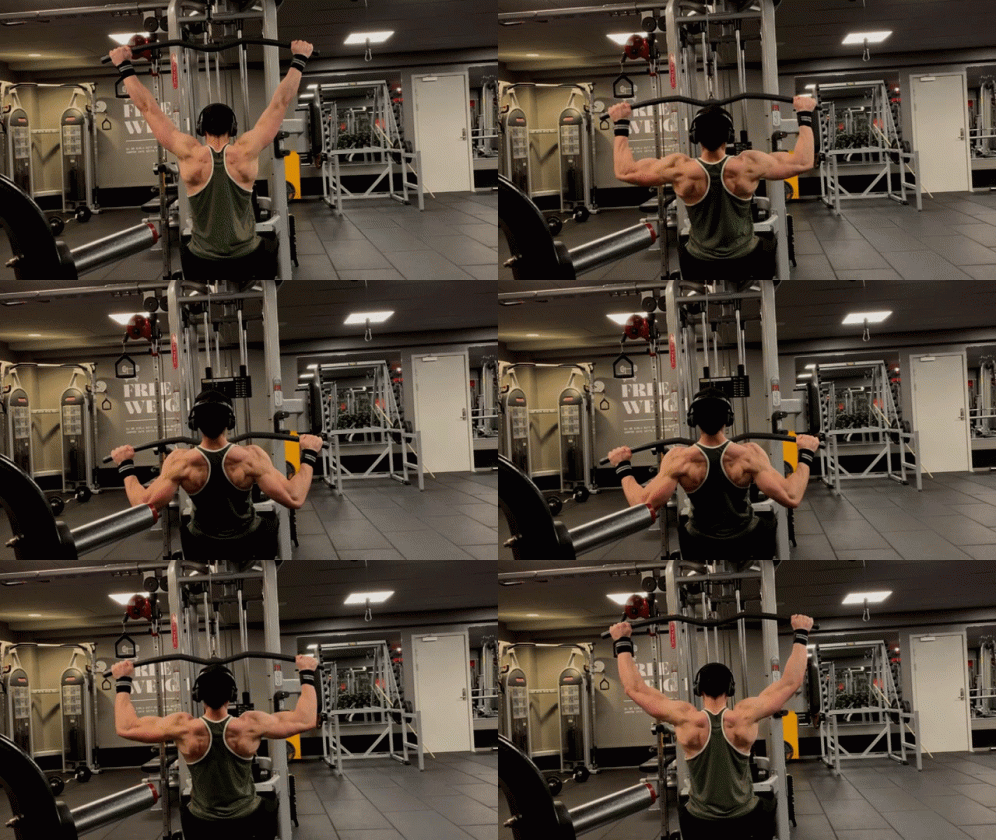
latpull down

latpull down exercises Lat Pulldown Exercise Guide – Back Strength & Form Tips

Latpull down exercises


Lat Pulldown Exercise – explain


The Lat Pulldown is a popular strength training exercise that primarily targets the latissimus dorsi muscles (lats) of the back. It is performed on a cable machine using a wide bar or other attachments. The Lat Pulldown is a fundamental strength training exercise designed to target the latissimus dorsi muscles, commonly known as the "lats. This exercise is typically performed on a lat pulldown machine, which includes a weight stack, cable system, and a wide grip bar or alternate attachments like V-bars or rope handles.

To perform the exercise, the individual sits on the bench, grips the bar with hands placed wider than shoulder-width, and pulls the bar down towards the upper chest . After a brief pause, the bar is slowly returned to the starting position under control.

The Lat Pulldown mimics the motion of a pull-up, making it an excellent alternative for beginners or those building upper body strength. It not only engages the lats but also works the biceps, rear deltoids, and rhomboids.

latpull down

some important Muscles : Latissimus dorsi Secondary Muscles: Biceps brachii Rhomboids Trapezius (lower and middle) Posterior deltoids.

Teres major -- Purpose of the Lat Pulldown Builds width and strength in the upper back.

Improves posture Supports pulling movements (like pull-ups, rows) Helps develop V-taper physique (broad shoulders and narrow waist look) -- Equipment Needed Lat pulldown machine with a pulley system. Adjustable weight stack A lat bar (wide grip or close grip, depending on variation) -- How to Perform a Lat Pulldown (Standard Wide Grip) 1. Starting Position Sit on the machine seat with knees secured under the pad. Grab the bar with a wide grip, palms facing forward (overhand grip). Pull your shoulder blades slightly down and back (engage the scapula). Keep chest up and core tight.

2. The Pull Exhale and pull the bar down smoothly toward your upper chest. Focus on pulling with your elbows, not your hands. Bring the bar just under the chin or to the top of the chest.
3. The Squeeze Pause for 1 second at the bottom and squeeze your shoulder blades together.
4. The Return Inhale and slowly return the bar to the starting position.

Maintain control to keep tension on the muscles. -- Form Tips Avoid pulling the bar behind the neck — it can strain your shoulder and neck. Keep your core engaged throughout the movement.
Use a full range of motion but avoid locking out at the top.

Tuesday, July 1, 2025

face pull exercise

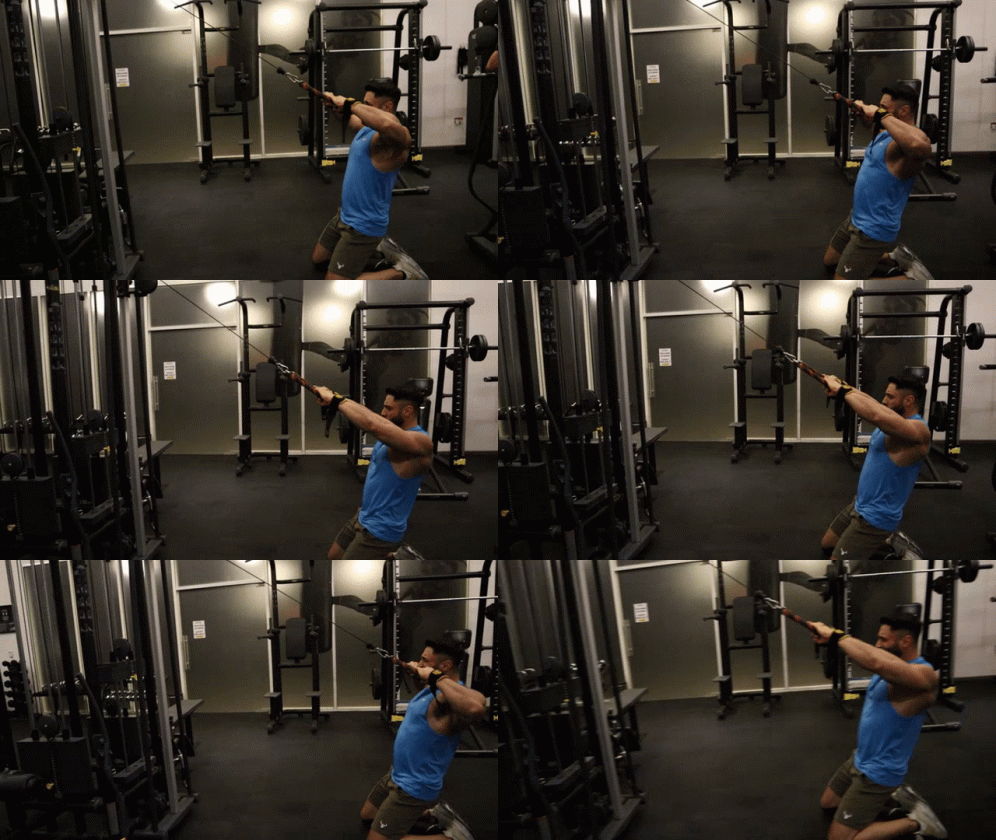
Rope Face Pull Exercise

Rope Face Pull Exercise


What is the Rope Face Pull Exercise?

The face pull is a strength training exercise that targets the upper back and shoulders—especially the posterior deltoids, rotator cuff, traps, and upper back. It’s excellent for improving posture and stability in the shoulder joints.


Benefits:

  • Builds rear deltoids
  • Improves shoulder stability
  • Corrects posture
  • Targets traps, rotator cuff, and scapula

Muscle Identification During Face Pull


Face Pull Exercise
Deltoid
Trapezius
Upper Back
Scapula

Muscles Worked

  • Rear deltoids (posterior delts)
  • Upper traps
  • Rhomboids
  • Rotator cuff (especially infraspinatus and teres minor)

triceps rope gym attachment

🛒 Buy Now on Amazon

Disclosure: This post contains affiliate links. As an Amazon Associate


Muscle Explanation: Upper Traps and Rhomboids

* Upper Traps

  • Location: Back of neck to shoulders
  • Functions: Elevates shoulders, supports neck movement, stabilizes upper body
  • In Face Pull: Stabilizes shoulders, supports rope pulling motion

* Rhomboids

  • Location: Between shoulder blades and spine
  • Functions: Retract scapula, improve posture, assist shoulder movement
  • In Face Pull: Active during rope pull, helps squeeze blades together

Summary Table

Muscle Function Location Role in Face Pull
Upper Traps Elevate shoulders, neck movement Neck to shoulders Supports upward pulling motion
Rhomboids Retract & stabilize shoulder blades Between scapula & spine Improves posture, squeezes blades

🏋️‍♂️ How to Perform Rope Face Pulls

** Setup:

  • Use rope attachment on cable machine
  • Set pulley at eye or upper chest level
  • Use a neutral grip
  • Stand with tension in rope (staggered stance)

-- Execution:

  • Pull rope toward your face
  • Elbows flare out, separate rope ends
  • Squeeze shoulder blades at peak
  • Return slowly with control

* Reps & Sets:

  • Reps: 10–15
  • Sets: 3–4
  • Rest: 30–60 seconds between sets

* Form Tips:

  • Keep core tight
  • Do not shrug shoulders
  • Focus on scapular retraction
  • Use moderate weight to maintain form

* Alternatives:

  • Resistance Band Face Pulls
  • TRX Face Pulls
  • Dumbbell Rear Delt Rows

- Common Mistakes:

  • Using too much weight (affects balance/form)
  • Pulling with biceps instead of upper back
  • Not fully separating the rope ends

Face pulls are one of the best exercises for building rear delts and improving shoulder health. I found this [in-depth guide by StrengthLog extremely helpful, as it explains the form, variations, and benefits in detail.

Strength log

Face Pull Exercise Guide by StrengthLog

Monday, June 23, 2025

incline dumbbell press

incline press dumbbell exercise
Incline Dumbbell Press
Shoulder
Chest
Biceps

Incline Dumbbell Press-

The incline dumbbell press is a powerful upper-body exercise that targets the upper portion of the chest along with the shoulders and triceps. It is a variation of the traditional bench press but is performed on an incline bench and with dumbbells instead of a barbell. This provides a more natural range of motion and better muscle activation, especially in the clavicular head of the pectoralis major. This exercise is mostly common exercise in chest exercises but it impactfull.It is exercise to train our upper chest.it also impact other portion of body like shoulder,delt,but majority of portion for covering upper chest.

What Is the Incline Dumbbell Press?

The incline dumbbell press is a strength training exercise where a person lies on an incline bench (usually set at a 30–45-degree angle) and presses dumbbells from shoulder level to above the chest. It mimics a pushing movement but emphasizes the upper chest, making it essential for building a balanced and full-looking chest.It increases the size of upper chest and make it a solid portion if you have done properly sets with well trained reps.To gain more effective and quick results,you should use the best protein for muscles recovery.


Amazon product: Best protein under Budget

Disclosure: This post contains affiliate links. As an Amazon Associate


🛒 Buy Now on Amazon

The incline dumbbell press primarily works the: Upper Pectorals (Pectoralis Major, Clavicular Head) Anterior Deltoids (Front Shoulders) Triceps Brachii (Back of the Upper Arms) Supporting muscles involved include: Serratus Anterior – stabilizes the shoulder blades. Biceps and Forearms – for grip and arm control.

See Also

Benefits of the Incline Dumbbell Press

Upper Chest Development: Targets the often underdeveloped upper pecs for a balanced, aesthetic chest. .

Improved Muscle Symmetry: Each arm works independently, reducing strength imbalances. Joint-Friendly: More natural movement path compared to barbells, reducing strain on wrists and shoulders. Increased Stability and Core Engagement: Requires more balance than machines or barbells.

Tips for Best Results Warm up properly with lighter weights or push-ups to activate the muscles. Focus on form over lifting heavy. Quality reps lead to better growth. Don’t bounce the dumbbells off your chest. Control every rep. Keep feet flat on the ground and your lower back in slight arch. Progress gradually, increasing weight or reps over time.

Common Mistakes to Avoid Incorrect Bench Angle: Too steep turns it into a shoulder exercise. Flaring Elbows Out Too Much: Can strain the shoulders and reduce chest focus. Lifting Too Heavy: Compromises form and increases injury risk. Short Range of Motion: Limits muscle engagement and growth.

Not Controlling the Eccentric (Lowering) Phase: Half the muscle-building happens during lowering—don’t rush it. Conclusion: The incline dumbbell press is a staple upper-body exercise that builds strength, size, and definition in the upper chest, shoulders, and arms. Its versatility, effectiveness, and ability to correct imbalances make it an essential movement for anyone serious about chest development. Mastering the proper form and consistently progressing with intensity will lead to impressive upper chest gains over time.

Wednesday, June 18, 2025

dumbbell lunges

Dumbbell Lunges:

dumbbell lunges

Dumbbell lunges are one of the most effective exercises for building strength , enhancing balance, and improving overall coordination. Whether you’re a beginner aiming to tone your legs or an advanced athlete looking to sculpt powerful glutes and thighs, dumbbell lunges can be a key part of your fitness regimen. In this guide, we’ll explore what dumbbell lunges are, how to perform them correctly, their benefits, variations, safety tips, and how to incorporate them into your workout routine.

Dumbbell lunges are one of the most effective exercises for building strength of thigs and lowerbody, enhancing balance, and improving overall coordination. Whether you’re a beginner aiming to tone your legs or an advanced athlete looking to sculpt powerful glutes and thighs, dumbbell lunges can be a key part of your fitness regimen. In this exercises majority of load are shifyted to the hemstring and glute portion.In this guide, we’ll explore what dumbbell lunges are, how to perform them correctly, their benefits, variations, safety tips, and how to incorporate them into your workout routine.

What Are Dumbbell Lunges?


Dumbbell lunges are a compound, unilateral exercise that targets multiple muscle groups, primarily in the lower body. In this exercise, you hold a dumbbell in each hand and step forward, backward, or to the side while lowering your body into a lunge position. This movement challenges your legs, and core while also requiring balance and stability.

Muscles Targeted Dumbbell lunges work several major muscle groups: Quadriceps (front thighs): These muscles work hard during the lowering and lifting phases. Glutes (buttocks): Activated as you push back to the starting position. Hamstrings (back thighs): Help stabilize and extend the hip.

Calves: Help with balance and control. Core muscles: Stabilize the torso during movement. Additionally, your grip and forearms get some activation from holding the dumbbells.

Best dumbbell to purchase

How to Perform Dumbbell Lunges 1. Setup: Stand upright with a dumbbell in each hand. Keep your arms straight by your sides, shoulders relaxed. Stand tall with feet core engaged.

2. Execution (Forward Dumbbell Lunge): Step forward with your right foot about 2-3 feet. Lower your body until your right thigh is parallel to the ground and your left knee almost touches the floor.

Ensure your front knee is directly above your ankle (not pushed too far forward). Push through your right heel to return to the starting position.

Repeat on the other side. 3. Reps and Sets: Beginners: 2–3 sets of 8–10 reps per leg. Intermediate to advanced: 3–4 sets of 10–15 reps per leg.

Common Mistakes to Avoid Knee Going Too Far Forward: This can place undue stress on the knee joint. Always keep your front knee aligned above your ankle. Not Stepping Far Enough: A short step won’t properly engage the glutes and hamstrings. Aim for a long enough stride to form a 90-degree angle in both knees. Wobbling: If you lack balance, reduce the weight or perform the lunge without dumbbells until you're more stable.

Uneven Strides: Consistency in your steps ensures both legs are worked equally. Benefits of Dumbbell Lunges Leg Strength and Tone: Lunges are ideal for building strong quads, hamstrings, and glutes. The addition of dumbbells increases resistance, leading to more muscle development. Improved Balance and Stability: Since lunges are a unilateral movement (one leg at a time), they challenge your balance more than bilateral exercises like squats.

Better Core Activation: To maintain upright posture and hold the dumbbells steadily, your core muscles must remain engaged throughout the movement. Functional Movement: Lunges mimic everyday activities like walking and climbing stairs. Practicing lunges can improve overall mobility and performance in daily life.

Caloric Burn and Fat Loss: As a compound movement, lunges burn more calories than isolated exercises. They can be especially useful in fat-loss routines when combined with other exercises in a circuit. Variations of Dumbbell Lunges To keep your workouts interesting and continue making progress, try these lunge variations: Reverse Dumbbell Lunges: Step backward instead of forward. This reduces knee stress and emphasizes the glutes more.

Walking Dumbbell Lunges: Instead of stepping back to your starting position, walk forward into the next lunge. Great for endurance and coordination. Stand on a platform and step down into a lunge for a greater range of motion. Overhead Dumbbell Lunges: Hold the dumbbells above your head during the lunge to increase core and shoulder engagement.

Safety Tips Warm-Up First: Always do 5–10 minutes of light cardio and dynamic stretching to warm up your joints and muscles. Start Light: Begin with lighter weights or bodyweight lunges to master the form before progressing.

Use a Mirror: Practicing in front of a mirror helps correct posture and technique. Avoid Overtraining: Don’t do lunges every day. Muscles need rest to grow. 2–3 sessions per week is enough. Use Proper Footwear: Wear shoes with good arch and ankle support.

See Also Dumbbell Lunge Programming Table <

Conclusion Dumbbell lunges are a powerhouse lower-body exercise that should be part of any strength training or conditioning program. They offer excellent muscle engagement, core stability benefits, and functional improvements for daily life. By maintaining proper form and gradually increasing resistance, you can safely and effectively use dumbbell lunges to sculpt strong, lean legs and improve your overall fitness. Whether you're training at home or in the gym, this versatile movement is one of the best tools for achieving balanced lower body strength and muscular endurance.

Tuesday, June 17, 2025

lateral raises

"Top lateral raises Variations to Build Broad Shoulders" Lateral Raises Exercise – Build Strong Shoulders

Lateral Raise Exercise:

lateral raises


Gymwest Sleeveless, Stringer Y Back Tank Tops Look

lateral raises

Lateral Raise Exercise: A Complete Info The lateral raise is a staple shoulder exercise, particularly effective for developing the lateral (side) deltoid muscle. It’s a common isolation movement used by bodybuilders, athletes, and fitness enthusiasts to create wider, stronger, and more defined shoulders. This exercise is usually performed with dumbbells but can also be adapted using cables or resistance bands.Most popular shoulder exercise for build side deltoid muscles.

Muscles Worked The primary muscle targeted in the lateral raise is the middle deltoid, one of the three heads of the shoulder. While it focuses on the lateral deltoid, it also recruits: Anterior deltoid (front shoulder). Trapezius: Supraspinatus (a rotator cuff muscle): Forearm muscles (to stabilize grip)

Side lateral raises

Benefits of the Lateral Raise

Builds Shoulder Width: Lateral raises emphasize the lateral head of the deltoid, which adds width and gives the shoulders a rounded appearance. Improves Shoulder Symmetry: It helps isolate and develop both sides equally, leading to more symmetrical shoulder muscles. Enhances Athletic Performance: Strong, stable shoulders are essential for sports like swimming, baseball, and boxing,cricket etc. Supports Compound Lifts: Healthy and strong deltoids contribute to performance in pressing movements like the bench press and overhead press. when you suppress and force any object ,at that time ,your load shifts to the shhoulder muscles specialy in your deltoid portion(side deltoid)

Rehabilitation and Joint Health: When done with light weights and controlled motion, it aids in shoulder rehabilitation and strengthens smaller stabilizing muscles.

How to Perform a Lateral Raise (Dumbbells)
Step-by-Step : Starting Position:

Stand tall with feet shoulder-width apart. Hold a dumbbell in each hand with arms at your sides, palms facing inward. Keep a slight bend in your elbows and maintain a neutral spine.

Lifting the Weights: With control, raise both arms out to the sides until they reach shoulder height. Your arms should remain slightly bent at the elbow and lead with the elbows rather than the hands. Pause briefly at the top of the movement.

Lowering the Weights: Slowly lower the dumbbells back to the starting position. Maintain control to avoid using momentum or dropping the weights.

Breathing: Inhale before the lift. Exhale as you raise the weights. Inhale again on the way down.

Tips for Proper Form Don’t use heavy weights that force you to swing or lean. Raise your arms to just about shoulder height, not higher. Avoid locking your elbows; a slight bend reduces joint stress. Engage your core and keep your back straight to avoid leaning or swaying. Control the descent – lowering the weights slowly builds better muscle engagement.

Common Mistakes to Avoid Using Too Much Weight: This leads to poor form and the use of momentum, which shifts focus away from the deltoids. Shrugging Shoulders: Overuse of traps can lead to shoulder and neck strain so don't. Raising Weights Too High: Going above shoulder level can irritate the shoulder joints. Swinging the Weights: This reduces muscle engagement and increases injury risk. Bent Wrists or Dropped Elbows: Wrists and elbows should remain in alignment to prevent joint strain.

Lateral Raise Variations Cable Lateral Raise: Done using a cable machine for constant tension throughout the movement. Can be done one arm at a time for better isolation. Seated Lateral Raise: Eliminates leg drive and momentum, forcing strict form. Useful for improving mind-muscle connection.

Incline Lateral Raise: Performed lying on an incline bench. Emphasizes the lateral head while reducing upper trap involvement. Resistance Band Lateral Raise: Great for home workouts. Provides variable resistance and joint-friendly motion.

Leaning Lateral Raise: Involves holding onto a support with one hand and leaning to increase the range of motion. Intense stretch and contraction of the deltoid. Programming and Reps Lateral raises are typically included in shoulder or upper body workouts. They are best suited for moderate to high reps:

Lateral Raise Training Guide
Training Element Recommendation
Reps 10–15 reps per set
Sets 2–4 sets
Rest 30–60 seconds between sets
Frequency 1–2 times per week
Tip Avoid going too heavy — focus on controlled motion

Beginner Tips for Lateral Raise

  • Start with light dumbbells (2–5 kg or less)
  • Practice in front of a mirror to ensure proper form
  • Use tempo: 2 sec up, 1 sec pause, 3 sec down
Gradually increase resistance once your form and shoulder stability improve.

Precautions and Safety Warm up your shoulders with dynamic stretches or light cardio before lifting. Avoid lateral raises if you have shoulder impingement or pain unless cleared by a professional. Don’t lock the elbows or raise weights higher than shoulder level. Maintain an upright posture to prevent lower back strain.

Conclusion: The lateral raise may seem like a simple movement, but it plays a significant role in developing strong, broad, and aesthetic shoulders. When executed with proper form and appropriate weight, it provides excellent stimulation to the side delts without risking injury. By incorporating lateral raises into your weekly training program and avoiding common mistakes, you can enjoy improved shoulder aesthetics, posture, and performance in both everyday life and athletic activities.

Sunday, June 15, 2025

Human Body Weight

Understanding Human Body Weight

Introduction:

Human body weight refers to the mass or heaviness of a person's body, typically measured in kilograms or pounds. It is influenced by numerous factors, including genetics, lifestyle, diet, physical activity, and overall health. Maintaining a healthy body weight is crucial for overall well-being, reducing the risk of chronic diseases, and enhancing quality of life. This article explores the components, factors, health implications, and management strategies related to human body weight.

Buy weight machine

Body weight is composed of several components: Lean Body Mass: Includes muscles, bones, organs, and fluids. Body Fat: Stored energy that also plays roles in insulation and hormone production. Water Content: About 60% of the human body is water, which affects weight fluctuations.

Bone Mass: Denser bones weigh more; individuals with more skeletal mass may weigh more even if they have less fat. Understanding these components helps differentiate between being overweight and being muscular or having high bone density.

Factors Affecting Body Weight:- Several internal and external factors influence body weight: Genetics: Hereditary factors can affect metabolism, fat distribution, and appetite. Diet: Caloric intake and nutritional quality significantly impact weight. Physical Activity: Regular exercise helps burn calories and build muscle mass. Hormones: Hormonal imbalances (e.g., thyroid, insulin) can cause weight gain or loss. Sleep and Stress: Lack of sleep and high stress levels can increase cravings and fat storage. Medications: Certain drugs may lead to weight gain or loss as a side effect.

Ideal Body Weight:- The concept of an “ideal” body weight varies depending on several factors: Height and Age: Taller people typically weigh more. Metabolism tends to slow with age. Gender(Men/Women): Men usually have more muscle mass than women, affecting weight. Body Composition: The ratio of fat to muscle is more important than weight alone.

Body Mass Index (BMI) is often used to estimate whether someone is underweight, normal, overweight, or obese. However, it has limitations, especially for athletes or those with high muscle mass. Health Implications of Body Weight 1. Underweight Being underweight can lead to: Weakened immune system

Osteoporosis Infertility Fatigue and weakness 2. Overweight and Obesity Carrying excess weight increases the risk of: Type 2 diabetes Heart disease Hypertension Certain cancers Joint problems and osteoarthritis Sleep apnea

Obesity is a global public health concern, with millions affected due to sedentary lifestyles and poor diets. Weight Management Strategies Maintaining a healthy weight involves both physical and mental efforts: Balanced Diet Focus on whole foods: fruits, vegetables, lean proteins, whole grains, and healthy fats. Avoid processed foods, excessive sugar, and unhealthy fats. Portion control and mindful eating can prevent overeating.

Regular Exercise Aim for at least 150 minutes of moderate aerobic activity or 75 minutes of vigorous activity weekly. Strength training helps increase lean muscle mass, boosting metabolism. Hydration Drinking adequate water supports metabolism and controls appetite.

Sleep and Stress Management Getting 7–9 hours of sleep and managing stress through techniques like meditation can regulate weight-related hormones. Behavioral Support Therapy or support groups can help individuals understand emotional eating patterns.

Technological Tools and Medical Help In today's digital age, there are numerous tools to assist in weight management: Mobile Apps: Track calories, steps, and progress. Wearable Devices: Monitor physical activity and heart rate. Professional Help: Nutritionists, dietitians, and personal trainers can provide personalized plans.

Medical Treatments: In severe cases, doctors may recommend weight-loss medications or surgery (e.g., bariatric surgery). Conclusion Human body weight is a complex, dynamic characteristic shaped by many factors, true health lies in achieving a balanced body composition and lifestyle. Understanding your body, eating mindfully, staying active, and taking care of your mental well-being are key to maintaining a healthy weight. It’s not about being thin or heavy—it’s about being healthy and happy in your own body.

Fitness

Fitness Hub

Fitness Hub FitnessHub ☰ ...